Did You Know How You Prepare Your Food Can Affect Your Blood Sugar?
The latest nutrition trend, carb hacking, is gaining attention for a simple reason—it can help reduce blood sugar spikes without giving up foods like potatoes and rice.
These starchy foods are rapidly digested, causing blood sugar and insulin levels to rise quickly. Over time, frequent spikes can contribute to:
- Weight gain
- Energy crashes
- Increased cravings
- Insulin resistance
- Prediabetes and Type 2 diabetes
Fortunately, there’s a simple solution: resistant starch.
This is one of the many practical nutrition strategies we discuss and personalize in the Eating For Vitality Diet™ Program to help clients enjoy their favorite foods while supporting stable blood sugar, healthy digestion, and long-term vitality.
What Is Carb Hacking?
Carb hacking is the practice of preparing carbohydrate-rich foods in ways that reduce their impact on blood sugar.
One of the most effective methods is increasing resistant starch, a type of carbohydrate that acts more like fiber than sugar.
Benefits of Resistant Starch
Research suggests resistant starch may:
✅ Reduce blood sugar and insulin spikes
✅ Feed beneficial gut bacteria
✅ Improve digestion and regularity
✅ Increase fullness and satiety
✅ Support healthy cholesterol levels
✅ Improve insulin sensitivity
✅ Promote colon health
✅ Cause less gas than many fiber supplements
Why Resistant Starch Matters
Unlike regular starch, resistant starch isn’t fully digested in the small intestine. Instead, it travels to the colon where it feeds beneficial gut bacteria.
As these bacteria ferment resistant starch, they produce beneficial compounds called short-chain fatty acids (SCFAs), including butyrate, which supports:
- Gut health
- Reduced inflammation
- Healthy blood sugar regulation
- Colon health
The Science Behind the Carb Hack
When potatoes and rice are freshly cooked, their starch is easily digested.
However, when they are cooled, some of that starch changes into resistant starch through a process called retrogradation.
This process can reduce the blood sugar impact of these foods by approximately 20% to 50%, depending on the food and preparation method.
What Happens?
When starch cools:
- Less starch is converted to glucose.
- Blood sugar rises more slowly
- More resistant starch is formed
- More fiber-like benefits are created
Foods Naturally Rich in Resistant Starch
Some foods naturally contain resistant starch:
Best Sources
- Green bananas
- Green plantains
- Lentils
- White beans
- Navy beans
- Kidney beans
- Black beans
- Cooked and cooled potatoes
- Cooked and cooled rice
Tip: As bananas ripen, resistant starch converts into sugar, so greener bananas contain more resistant starch.
The Simple Carb-Hacking Method
Step 1: Cook
Prepare potatoes or rice as usual.
Step 2: Flavor
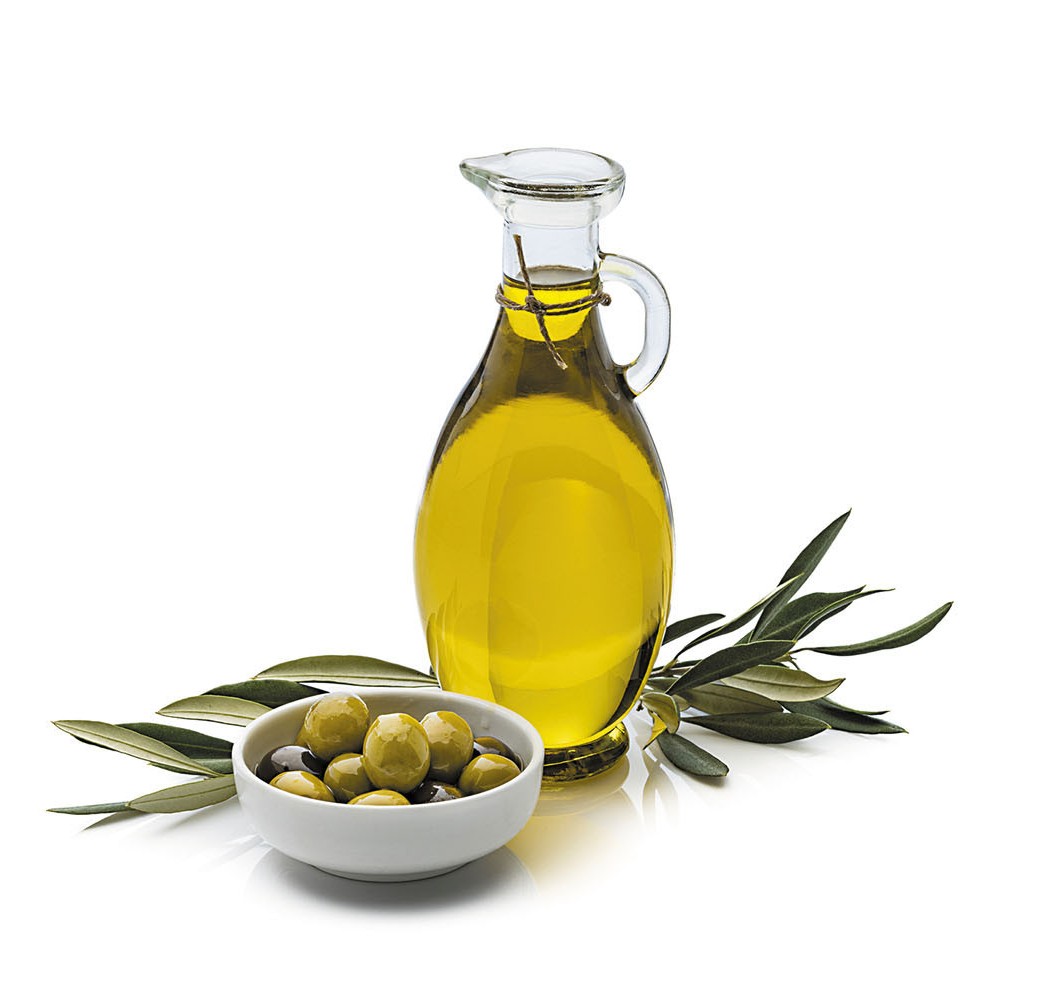
While still warm, season with herbs, spices, olive oil, vinaigrettes, or your favorite healthy flavorings.
Step 3: Cool
Allow the food to cool completely.
Step 4: Refrigerate
Store overnight in the refrigerator.
Step 5: Enjoy
Eat cold or reheat later.
Remember: Cook it. Flavor it. Cool it. Enjoy it.
Can You Reheat It?
Yes!
Much of the resistant starch remains intact after reheating, so you can still enjoy warm potatoes and rice while benefiting from a lower blood sugar response.
Best Potatoes for Carb Hacking
- Red potatoes
- Yellow potatoes
- Yukon Gold potatoes
Russet potatoes may lose a small amount of resistant starch during reheating but still contain more resistant starch than freshly cooked potatoes.
Easy Meal Ideas
Potato Ideas
- Salad Niçoise with chilled potatoes
- Traditional potato salad
- Potato and vegetable salad
- Meal-prep bowls
Rice Ideas
- Rice salad
- Sushi bowls
- Fried rice made from cooled rice
- Make extra rice to have on hand for quick and easy meals throughout the week.
Who Can Benefit?
Carb hacking may be especially helpful for:
- Prediabetes
- Type 2 diabetes
- Insulin resistance
- Weight management
- Blood sugar control
- Digestive health
- Stable energy levels
Frequently Asked Questions
Does resistant starch remove the carbs?
No. Potatoes and rice still contain carbohydrates, but some of the starch becomes less digestible and has a smaller impact on blood sugar.
How long should I refrigerate potatoes or rice?
Overnight is best, but even a few hours can increase resistant starch levels.
Is cooled rice safe to eat?
Yes, when cooled promptly and stored properly in the refrigerator.
Can I freeze cooked potatoes or rice?
Yes. Freezing and thawing can further increase resistant starch formation.
Does reheating destroy resistant starch?
No. Most of the resistant starch remains after reheating.
Can resistant starch help with weight loss?
It may support weight management by increasing fullness and helping stabilize blood sugar, but it isn’t a magic bullet.
The Bottom Line
If you love potatoes and rice but want to avoid the blood sugar rollercoaster, carb hacking is one of the easiest nutrition strategies you can use.
By simply cooking, flavoring, cooling, and enjoying these foods later, you can increase resistant starch, reduce blood sugar spikes, support gut health, and promote more stable energy throughout the day.
It’s a simple change that can make a meaningful difference in your health.
Just remember: carb hacking doesn’t mean unlimited carbs. Portion size still matters. The right balance of quality carbohydrates, protein, and healthy fats—like you’re taught in the Eating for Vitality Diet program—is key to supporting weight management and overall health.
Ready to Take Control of Your Blood Sugar?
The Eating For Vitality Diet™ Program goes beyond counting calories and cutting carbs. You’ll learn practical, science-based strategies—including carb hacking—to help balance blood sugar, improve digestion, reduce inflammation, and support lasting vitality.
Schedule your FREE 15-Minute Nutrition Consultation today and discover how good you can feel when you start eating for vitality!