A Complete Guide to Boosting Energy, Burning Fat, and Supporting Long-Term Health
Your metabolism is the powerhouse behind every function in your body—converting food into energy, maintaining muscle, regulating hormones, and burning fat. When your metabolism is functioning well, you feel energized, maintain a healthy weight more easily, and your body efficiently uses nutrients.
But when metabolism slows down, the opposite happens. It becomes harder to lose weight, blood sugar levels may rise, fatigue increases, and fat—especially around the midsection—can accumulate.
The good news is that you can boost your metabolism naturally through simple lifestyle habits and strategic nutrition choices. In fact, during our work together in the Eating for Vitality Diet program, we focus heavily on supporting metabolic health through balanced nutrition, muscle-building strategies, and sustainable lifestyle changes.
Let’s explore five science-backed ways to increase your metabolism naturally and help your body burn energy more efficiently.
What Is Metabolism and Why Does It Matter?
Metabolism refers to all the chemical processes in your body that convert food into energy. This energy powers everything from breathing and digestion to muscle movement and brain function.
Your metabolic rate—often called your basal metabolic rate (BMR)—represents the number of calories your body burns at rest.
According to research from the National Institutes of Health:
-
BMR accounts for about 60–75% of daily calorie burn
-
Physical activity contributes 15–30%
-
The thermic effect of food contributes around 10%
Several factors influence metabolism, including:
-
Age
-
Muscle mass
-
Hormone levels
-
Diet quality
-
Physical activity
-
Sleep and stress
The goal is not just to burn more calories—but to build a metabolically flexible body that efficiently burns fat and maintains energy throughout the day.
1. Eat More Protein and Cut Back on Starchy Carbs
Why Protein Is a Natural Metabolism Booster
Protein-rich foods require more energy for your body to digest, absorb, and process compared to fats or carbohydrates. This phenomenon is called the thermic effect of food (TEF).
Your body burns approximately:
-
20–30% of protein calories during digestion
-
5–10% of carbohydrate calories
-
0–3% of fat calories
This means protein literally increases calorie burning during digestion.
Protein also plays several key roles in metabolic health:
-
Builds and preserves lean muscle mass
-
Helps stabilize blood sugar levels
-
Reduces cravings and overeating
-
Supports hormone balance
A higher protein intake is strongly linked to improved weight management and metabolic function.
Research published in the American Journal of Clinical Nutrition found that increasing protein intake can boost metabolism by 80–100 calories per day simply due to the thermic effect.
High-Quality Protein Sources
Some of the best protein sources for metabolic health include:
-
Grass-fed beef and lamb
-
Pasture-raised poultry
-
Wild-caught fish
-
Pasture-raised eggs
-
Organic tofu and tempeh
-
Lentils and beans
Use the 30-30-40 Formula for Metabolic Balance
One of the easiest ways to support your metabolism is by balancing macronutrients.
The 30-30-40 formula is a simple approach that helps stabilize blood sugar and support natural fat burning.
30% Lean Protein
-
Grass-fed meats
-
Pasture-raised poultry
-
Wild caught seafood
30% Healthy Fats
-
Avocados
-
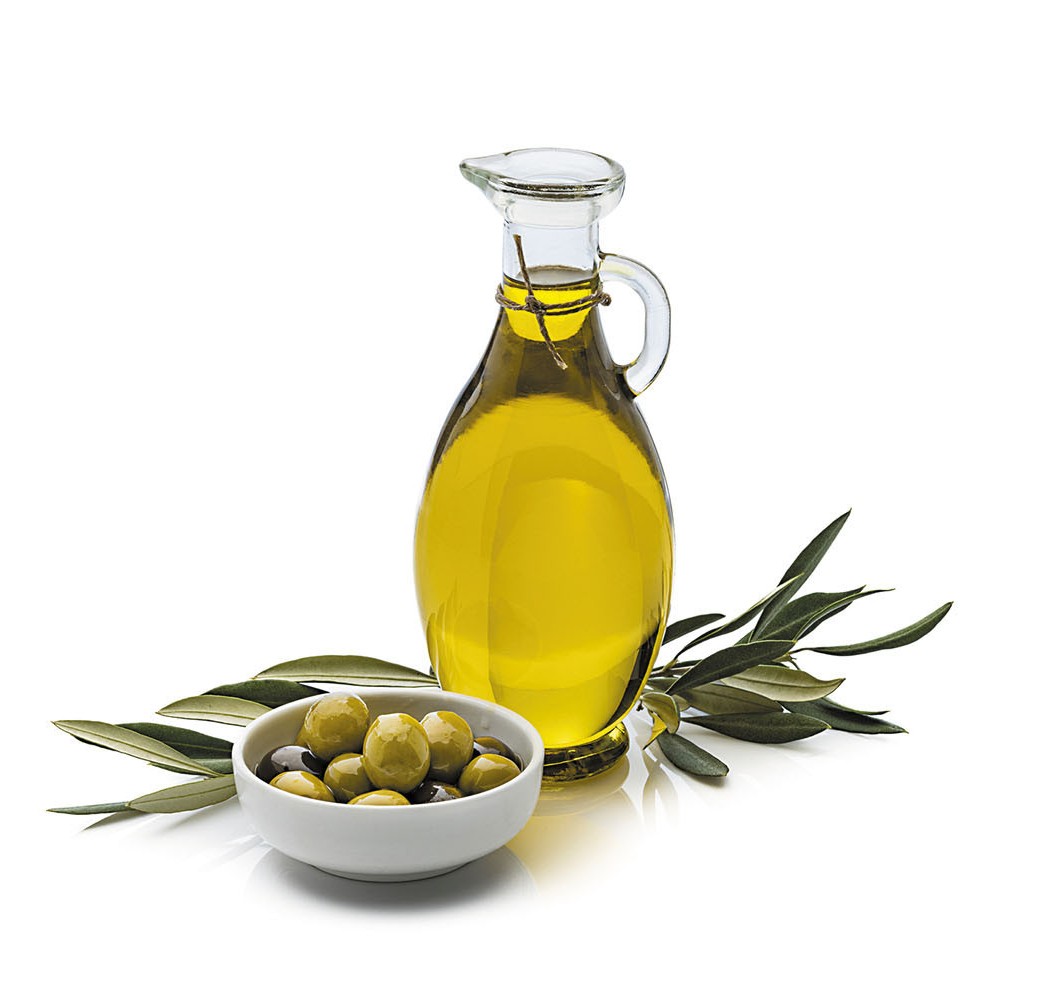
Olive oil
-
Nuts and seeds
40% Low-Glycemic Carbohydrates
-
Fiber-rich vegetables
-
Whole fruits
-
Low-glycemic plant foods
This balanced approach helps your body maintain steady energy while avoiding blood sugar spikes that can slow metabolism and encourage fat storage.
2. Add Green Tea Extract for a Metabolic Boost
Green tea has long been known for its health benefits, but it is also a powerful metabolism enhancer.
Green tea and matcha contain two natural compounds that support fat burning:
-
EGCG (epigallocatechin gallate)
-
Caffeine
Together, these compounds help stimulate thermogenesis—the process by which your body produces heat and burns calories.
Studies suggest that green tea extract can increase calorie burning by 3–4% per day.
Additional benefits include:
-
Improved fat oxidation
-
Better blood sugar regulation
-
Reduced inflammation
-
Support for healthy blood pressure and heart function
For a natural metabolic boost, consider:
-
Drinking 2–3 cups of green tea daily
-
Switching from coffee to matcha tea
-
Using a green tea extract supplement
This gentle combination provides steady energy without the jitters associated with high caffeine intake.
3. Strength Train at Least Twice a Week
Build Muscle, Burn More Calories
Muscle tissue is metabolically active, meaning it burns calories even while you rest.
The more lean muscle you have, the higher your resting metabolic rate.
Research from the American Council on Exercise shows that one pound of muscle burns approximately three times more calories than one pound of fat at rest.
Strength training offers multiple metabolic benefits:
-
Increases resting calorie burn
-
Preserves muscle during weight loss
-
Improves insulin sensitivity
-
Supports hormone balance
Resistance training also triggers something called excess post-exercise oxygen consumption (EPOC)—often referred to as the “afterburn effect.” This means your body continues burning calories even after the workout ends.
Simple Strength Training Options
You don’t need a gym membership to benefit from strength training.
Try two full-body workouts per week using:
-
Dumbbells
-
Resistance bands
-
Kettlebells
-
Bodyweight exercises (squats, push-ups, lunges)
Even 30-minute sessions can significantly improve metabolic health.
4. Manage Stress to Support Metabolic Health
Stress has a powerful effect on metabolism.
When the body experiences chronic stress, it produces higher levels of the hormone cortisol.
While cortisol is helpful in short bursts, long-term elevation can:
-
Slow metabolism
-
Increase appetite
-
Promote fat storage—especially abdominal fat
-
Disrupt blood sugar regulation
Research shows chronic stress is strongly linked to increased belly fat and metabolic dysfunction.
How Stress Slows Fat Burning
When cortisol is high, the body shifts into “survival mode.”
Instead of burning fat for energy, the body prioritizes storing energy to protect against perceived threats.
To restore metabolic balance, it’s important to incorporate daily stress-management practices.
Simple Stress-Reducing Habits
Helpful techniques include:
-
Yoga or stretching
-
Meditation or breathwork
-
Nature walks
-
Journaling
-
Engaging hobbies
Even 10–15 minutes per day of relaxation practices can significantly lower cortisol levels and improve metabolic health.
5. Get Enough Quality Sleep
Sleep may be the most underrated factor affecting metabolism.
Poor sleep disrupts hormones that control hunger and metabolism.
Two key hormones involved are:
Ghrelin – stimulates appetite
Leptin – signals fullness
When sleep is inadequate:
-
Ghrelin increases (you feel hungrier)
-
Leptin decreases (you feel less satisfied)
-
Cravings for high-calorie foods rise
Research from the University of Chicago found that people who sleep fewer than six hours per night are 55% more likely to become obese compared to those who get adequate sleep.
Sleep deprivation also reduces insulin sensitivity and slows calorie burning.
Tips for Better Sleep
To support metabolic health, aim for 7–9 hours of sleep per night.
Helpful strategies include:
-
Maintain a consistent sleep schedule
-
Reduce screen time before bed
-
Avoid caffeine late in the day
-
Keep your bedroom cool and dark
-
Establish a relaxing nighttime routine
Sleep is not just about rest—it is essential for hormone balance, energy production, and fat metabolism.
Additional Habits That Help Boost Metabolism
Beyond the five core strategies above, several other habits can support metabolic health:
Stay Hydrated
Drinking enough water supports digestion, circulation, and calorie burning.
Research suggests drinking 500 ml of water can temporarily increase metabolic rate by up to 30% for about an hour.
Move More Throughout the Day
Non-exercise activity—like walking, standing, and household movement—can account for hundreds of calories burned daily.
Simple habits such as taking the stairs or going for short walks can make a significant difference.
Prioritize Whole Foods
Highly processed foods often contain refined sugars and unhealthy oils that contribute to metabolic dysfunction.
Whole foods support stable blood sugar and provide essential nutrients needed for energy production.
Frequently Asked Questions
What foods increase metabolism the most?
Protein-rich foods such as eggs, fish, chicken, and legumes have the greatest thermic effect. Spices like chili peppers, green tea, and high-fiber vegetables may also provide small metabolic boosts.
Does drinking coffee increase metabolism?
Yes. Caffeine can increase metabolic rate by 3–11% temporarily, but excessive caffeine may raise stress hormones, so moderation is important.
Does age slow metabolism?
Metabolism naturally slows with age, primarily due to muscle loss and hormonal changes. Strength training and adequate protein intake can significantly counteract this effect.
How long does it take to improve metabolism?
Positive changes can begin within a few weeks when you combine proper nutrition, strength training, improved sleep, and stress management.
Can metabolism be permanently damaged?
In most cases, metabolism is adaptable and can improve with lifestyle changes. Sustainable nutrition and consistent habits help restore metabolic flexibility.
Final Thoughts: Ready to Reset Your Metabolism Naturally?
A healthy metabolism is not about extreme dieting or endless cardio. It’s about giving your body the right nutrients, movement, rest, and balance it needs to function optimally.
By focusing on:
-
Protein-rich meals
-
Balanced macronutrients
-
Strength training
-
Stress management
-
Quality sleep
you can naturally support your body’s ability to burn fat, regulate energy, and maintain long-term health.
If you’re ready to boost your metabolism, balance blood sugar, and feel energized, the Eating for Vitality Diet Program can help.
This personalized plan follows the proven 30-30-40 nutrition principle to help you:
✔ Burn fat naturally
✔ Balance hormones and energy
✔ Build lean muscle without deprivation
You’ll learn practical strategies that make healthy living simple, sustainable, and effective.
Take charge of your health today.
👉 Contact Lisa to book your FREE 15-minute consultation and start your journey to lasting vitality and metabolic health.