A science-based approach to sustainable fat loss
For years, people have been told that the secret to losing weight is simple: count calories, follow point systems, and rely on fat-burning supplements. Yet despite the endless diet trends, weight loss remains frustratingly difficult for millions of people.
The weight-loss industry in the United States alone is estimated to be worth over $70 billion annually, fueled largely by fad diets and short-term solutions that promise quick results but rarely deliver lasting change.
The truth is, there’s a much simpler and more sustainable approach to weight loss—balancing your blood sugar levels.
This is one of the key reasons why many people experience successful and lasting weight loss when they follow a Paleo-style way of eating.
At the start of our work together in the Eating for Vitality Diet Program, we address this exact issue: how stabilizing blood sugar through whole, nutrient-dense foods can naturally help your body release excess weight while improving overall metabolic health.
Let’s break down how it works.
What Is Blood Sugar and How Does It Work?
Blood sugar refers to the amount of glucose circulating in your bloodstream. Glucose is produced when your body digests carbohydrates from foods like grains, fruit, vegetables, and sugars.
Here’s what happens when you eat:
- Carbohydrates are broken down into glucose during digestion.
- Glucose enters the bloodstream, raising blood sugar levels.
- The pancreas releases the hormone insulin.
- Insulin helps move glucose from the bloodstream into your cells to be used as energy.
This process is a normal and essential part of human metabolism.
However, problems arise when blood sugar spikes too high and too often, which commonly happens on a diet rich in refined carbohydrates and added sugars.
How Imbalanced Blood Sugar Can Lead to Weight Gain
Your body only needs a certain amount of energy at any given time. When you eat more carbohydrates than your body can immediately use, the excess glucose must be stored.
The body stores glucose in three main places:
- Muscle cells
- The liver
- Fat tissue
Once the liver and muscles are full, any additional glucose gets converted into fat and stored in adipose tissue.
This process explains why diets high in refined sugars and processed carbohydrates often lead to weight gain.
Research published in the American Journal of Clinical Nutrition shows that diets high in refined carbohydrates can lead to higher insulin levels and increased fat storage.
But blood sugar imbalance affects weight loss in several other ways as well.
The Blood Sugar Rollercoaster
Refined carbohydrates—like white bread, pastries, soda, candy, and sugary beverages—lack fiber.
Fiber slows the digestion of carbohydrates and prevents blood sugar from rising too quickly.
Without fiber, sugar enters the bloodstream rapidly, causing:
- A quick spike in blood sugar
- A burst of energy (the sugar high)
- A surge of insulin
- A rapid blood sugar crash
That crash leaves you feeling:
- Tired
- Hungry
- Craving more sugar or carbohydrates
This cycle repeats itself throughout the day and is commonly known as the blood sugar rollercoaster.
Over time, this constant spike-and-crash pattern can lead to several metabolic issues that make weight loss extremely difficult.
Insulin Resistance and Fat Storage
When blood sugar spikes frequently, the body must release large amounts of insulin to control it.
Over time, cells can become less sensitive to insulin, a condition known as insulin resistance.
According to the Centers for Disease Control and Prevention, more than 38% of U.S. adults have prediabetes, which is closely tied to insulin resistance.
When insulin resistance develops:
- The body requires more insulin to manage blood sugar.
- Fat burning becomes significantly harder.
- The body shifts toward storing fat rather than burning it.
High insulin levels essentially signal the body to store energy instead of releasing it, which directly interferes with weight loss.
Leptin Resistance: Why You Always Feel Hungry
Another hormone affected by a high-sugar diet is leptin.
Leptin is often called the satiety hormone because it signals to your brain that you are full.
However, frequent spikes in blood sugar and insulin can lead to leptin resistance, where the brain stops responding properly to leptin signals.
When leptin resistance occurs:
- Hunger signals remain high
- Satiety signals are weakened
- Overeating becomes more likely
A study published in The Journal of Clinical Investigation found that leptin resistance is strongly associated with obesity and metabolic dysfunction.
When your body can’t properly recognize fullness, maintaining a calorie deficit becomes extremely difficult.
Cortisol and Belly Fat
High blood sugar also acts as a stressor in the body.
When glucose levels remain elevated, the body may release cortisol, a stress hormone produced by the adrenal glands.
Chronically elevated cortisol levels have been linked to:
- Increased appetite
- Cravings for high-carbohydrate foods
- Fat accumulation around the midsection
Research published in the journal Obesity found that higher cortisol levels are associated with greater abdominal fat storage.
This is one reason many people struggle with stubborn belly fat despite dieting and exercise.
How the Paleo Diet Supports Weight Loss
The Paleo diet focuses on whole, unprocessed foods similar to those eaten by early hunter-gatherers.
Common Paleo foods include:
- Grass-fed meats
- Wild-caught fish
- Vegetables
- Fruits
- Nuts and seeds
- Healthy fats (avocado, olive oil, coconut)
Foods avoided include:
- Refined sugars
- Processed foods
- Grains
- Industrial seed oils
- Artificial additives
This dietary pattern naturally helps regulate blood sugar for several key reasons.
-
Eliminates Refined Sugar and Processed Carbohydrates
One of the biggest benefits of Paleo eating is the removal of refined sugars and ultra-processed foods.
These foods are the primary drivers of blood sugar spikes.
According to the National Institutes of Health, ultra-processed foods now make up nearly 60% of calories in the American diet.
By eliminating these foods, Paleo eating reduces the extreme blood sugar fluctuations that promote fat storage.
-
Higher Fiber Intake
Whole fruits, vegetables, nuts, and seeds are rich in dietary fiber, which slows digestion and stabilizes blood sugar.
Anthropological research suggests that traditional hunter-gatherer diets contained over 50 grams of fiber per day, compared to the 15 grams or less consumed by the average American.
Fiber helps by:
- Slowing glucose absorption
- Reducing insulin spikes
- Supporting gut health
- Increasing fullness
Higher fiber intake has also been associated with lower body weight and reduced risk of metabolic disease.
-
Balanced Macronutrients
Paleo meals typically include a balance of:
- Protein
- Healthy fats
- Unrefined carbohydrates
Protein and fat take longer to digest than carbohydrates, which slows the release of glucose into the bloodstream.
Pairing carbohydrates with protein or fat helps:
- Prevent blood sugar spikes
- Increase satiety
- Support fat burning
For example, eating fruit alongside nuts or a protein source results in a much steadier blood sugar response than eating fruit alone.
-
Higher Protein Intake Supports Fat Loss
Protein is one of the most important nutrients for weight loss.
Research published in the American Journal of Clinical Nutrition found that high-protein diets can:
- Increase metabolism by 15–30%
- Reduce appetite
- Preserve muscle during weight loss
Because Paleo meals often center around protein sources like fish, eggs, and grass-fed meats, many people naturally increase their protein intake.
This helps maintain lean muscle mass while encouraging the body to burn fat for energy.
-
Reduced Inflammation
Many processed foods contribute to chronic inflammation, which has been linked to obesity and metabolic dysfunction.
The Paleo diet emphasizes:
- Omega-3 fatty acids
- Antioxidant-rich vegetables
- Whole, unprocessed foods
These foods can help reduce systemic inflammation, which may support improved metabolic health and easier weight management.
Not All Carbohydrates Are Equal
It’s important to note that Paleo is not a zero-carb diet.
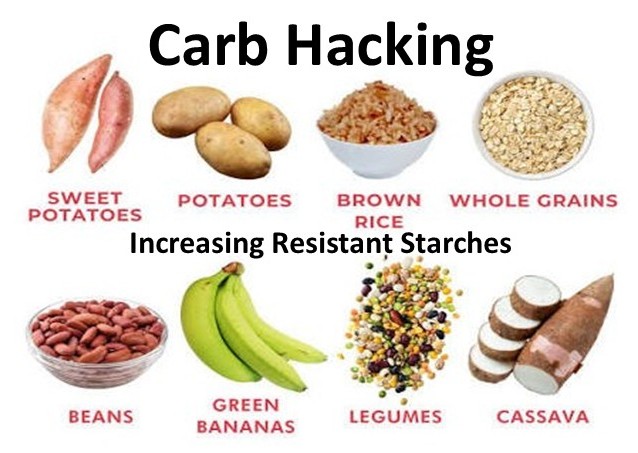
In fact, Paleo includes many carbohydrate-containing foods such as:
- Sweet potatoes
- Bananas
- Plantains
- Fruits
- Root vegetables
- Coconut flour
The key difference is that these foods contain fiber and nutrients, which slow the release of natural sugars.
Because they are digested more gradually, they have less dramatic impact on blood sugar levels compared to refined carbohydrates.
Still, even natural carbohydrates digest faster than fats and proteins, which is why pairing them together helps maintain balanced blood sugar.
Real-World Results of Paleo Eating
Several clinical studies have demonstrated the effectiveness of Paleo-style eating for weight loss and metabolic health.
For example:
- A 2014 study in Nutrition Journal found participants following a Paleo diet lost more weight and abdominal fat compared to those on standard dietary guidelines.
- Another study published in European Journal of Clinical Nutrition showed improvements in insulin sensitivity and blood sugar control after just 12 weeks of Paleo eating.
These improvements occur largely because the diet reduces blood sugar spikes and supports hormone balance.
How We Address This in the Eating for Vitality Diet Program
During our work together in the Eating for Vitality Diet Program, we focus on helping you understand how food choices affect your blood sugar, hormones, and metabolism.
Rather than relying on restrictive dieting or calorie counting, the program teaches how to:
- Stabilize blood sugar naturally
- Reduce sugar cravings
- Improve metabolic health
- Support sustainable fat loss
By applying Paleo-inspired principles and nutrient-dense whole foods, many people find that their bodies begin to release excess weight naturally while energy levels and overall vitality improve.
Frequently Asked Questions
Does the Paleo diet automatically cause weight loss?
- Not automatically, but it often supports weight loss because it eliminates many foods that cause blood sugar spikes and overeating. Whole foods tend to be more filling and nutrient-dense.
Can you eat carbohydrates on Paleo?
- Yes. Paleo includes many healthy carbohydrates such as fruits, sweet potatoes, and vegetables. The difference is that these foods are unrefined and high in fiber.
Is Paleo safe long term?
- Yes. Many people follow Paleo-style eating long term because it emphasizes whole foods, healthy fats, and nutrient-dense meals rather than processed products.
Why do I feel less hungry on Paleo?
- Higher protein, healthy fats, and fiber help regulate hunger hormones and stabilize blood sugar, which often leads to reduced cravings and greater satiety.
Does Paleo help with belly fat?
- Yes. Because Paleo eating supports lower insulin levels and balanced blood sugar, it can help reduce the hormonal drivers that contribute to abdominal fat storage.
The Bottom Line
Weight loss isn’t just about calories—it’s about hormones, metabolism, and blood sugar balance.
The Paleo diet works because it:
- Reduces refined sugars and processed foods
- Stabilizes blood sugar levels
- Improves insulin sensitivity
- Supports healthy hunger hormones
- Encourages nutrient-dense whole foods
When your blood sugar is balanced, your body is far more capable of burning fat efficiently and maintaining a healthy weight.
Ready to Learn How to Use Food to Support Your Metabolism?
If you’re tired of dieting, counting calories, or struggling with stubborn weight issues, it may be time to address the root cause—blood sugar balance and metabolic health.
Inside the Eating for Vitality Diet Program, you’ll learn how to apply these principles in a practical and sustainable way so your body can naturally move toward better energy, better health, and a healthier weight.
Start your journey toward vibrant health and lasting weight loss. 👉 Book your free 15-minute consultation today