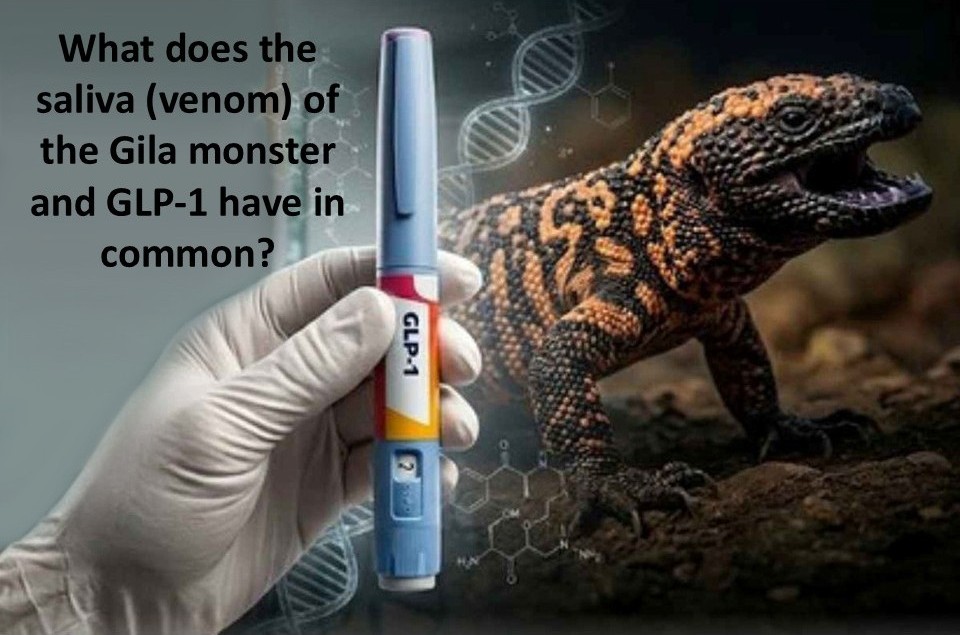
If you’ve been hearing about medications like semaglutide and wondering whether there’s a more natural way to achieve similar benefits, you’re not alone. GLP-1 (glucagon-like peptide-1) has become a major focus in metabolic health because of its powerful effects on appetite, blood sugar regulation, and weight management.
The good news? Your body already produces GLP-1 naturally—and with the right nutrition and lifestyle strategies, you can significantly enhance its production without relying on medication.
In the Eating For Vitality Diet program, we specifically address how to naturally support GLP-1 production through targeted nutrition, helping you feel more in control of hunger, energy, and long-term health.
What Is GLP-1 and Why Does It Matter?
GLP-1 is a hormone released in your gut after you eat. It plays several critical roles:
- Slows stomach emptying (so you feel full longer)
- Enhances insulin release (helps control blood sugar)
- Reduces glucagon (prevents excess sugar release)
- Signals fullness to the brain (reduces cravings)
Research shows that GLP-1 can reduce calorie intake by up to 20–30% in some individuals and significantly improve glycemic control. This is why GLP-1 medications have gained popularity—but they’re not the only path.
Why Go Natural Instead of Using GLP-1 Drugs?
While GLP-1 drugs can be effective, they often come with downsides:
- Gastrointestinal side effects (nausea, vomiting)
- Muscle loss alongside fat loss
- High long-term costs
- Dependency for continued results
Natural strategies, on the other hand, support your body’s own systems—improving metabolic health at the root.
7 Ways to Increase GLP-1 Naturally
-
Prioritize Protein-Rich Foods (30g Per Meal)
Protein is one of the most powerful stimulators of GLP-1 release. Studies show high-protein meals significantly increase satiety hormones while reducing hunger hormones like ghrelin.
Best sources:
- Pasture-raised chicken and eggs
- Wild-caught fish
- Grass-fed beef and lamb
- Bone broth
- Cottage cheese
- Plant proteins: lentils, tempeh, tofu, edamame, hemp seeds
📊 Fact: A high-protein diet can increase satiety by up to 60% and reduce late-night snacking by 50%.
-
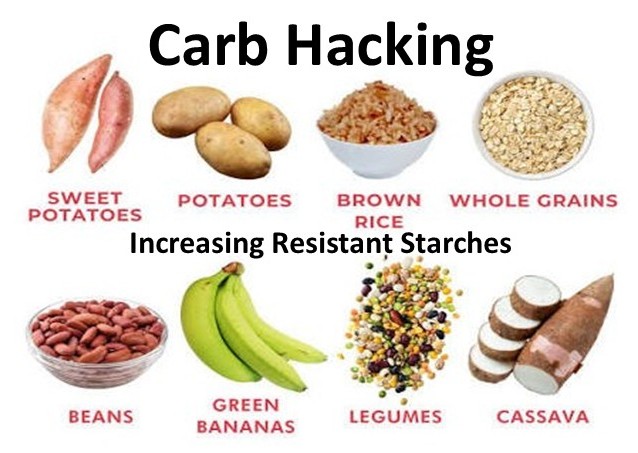
Increase Soluble Fiber Intake (25–40g Daily)
Soluble fiber slows digestion and feeds beneficial gut bacteria, which in turn stimulate GLP-1 production.
Top choices:
- Chia seeds, flaxseeds, pumpkin seeds
- Avocado
- Lentils, chickpeas, beans
- Asparagus
- Berries and pomegranate
- Psyllium husks
📊 Statistic: People who consume high-fiber diets have a 30–40% lower risk of developing type 2 diabetes.
-
Include Healthy Fats
Healthy fats trigger GLP-1 release and improve satiety while stabilizing blood sugar.
Best options:
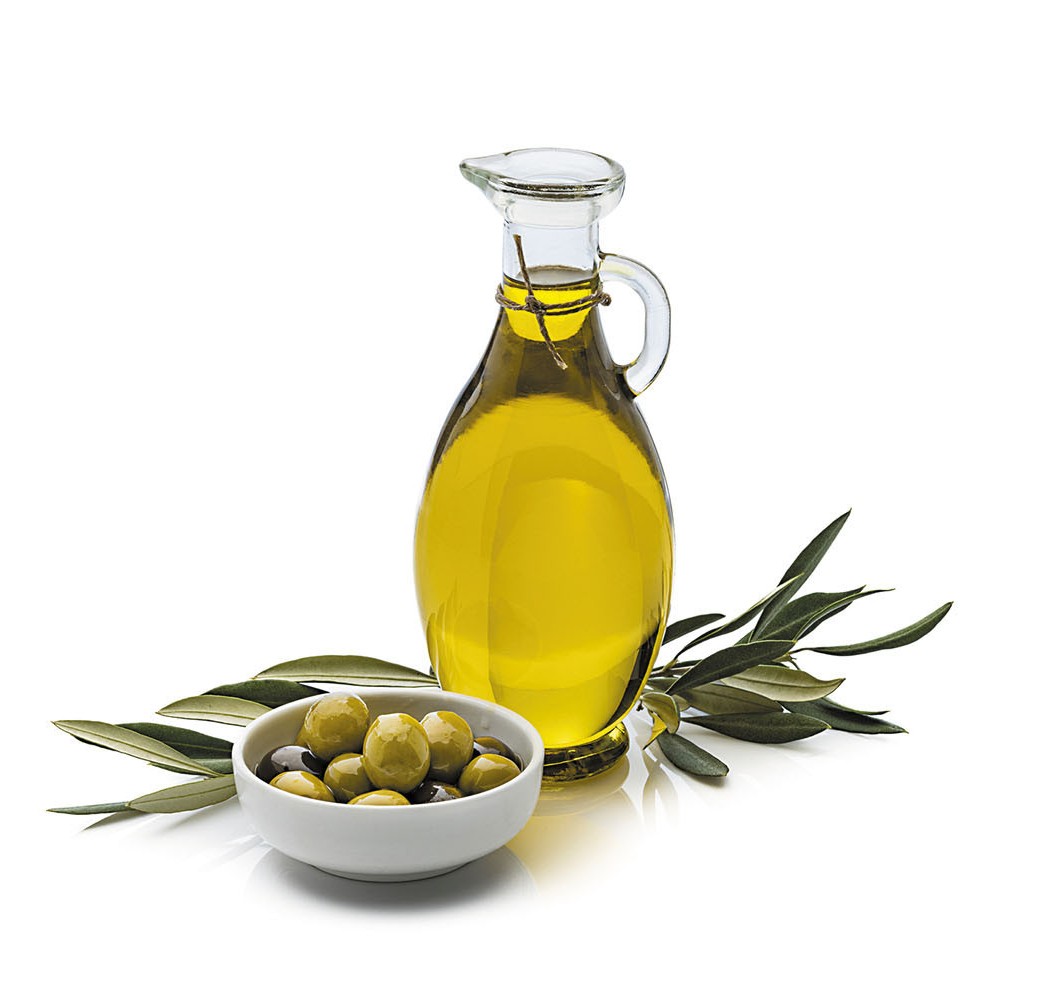
- Extra virgin olive oil (EVOO)
- Avocado
- Almonds and walnuts
- Pumpkin seeds
- Coconut
- Wild-caught fish (salmon, sardines, anchovies, herring)
📊 Insight: Meals with healthy fats can increase satiety hormones by over 25% compared to low-fat meals.
-
Eat Bitter Foods to Activate Gut Receptors
Bitter compounds stimulate receptors in the gut that promote GLP-1 secretion.
Examples:
- Arugula, dandelion greens, kale, radicchio
- Green tea and matcha
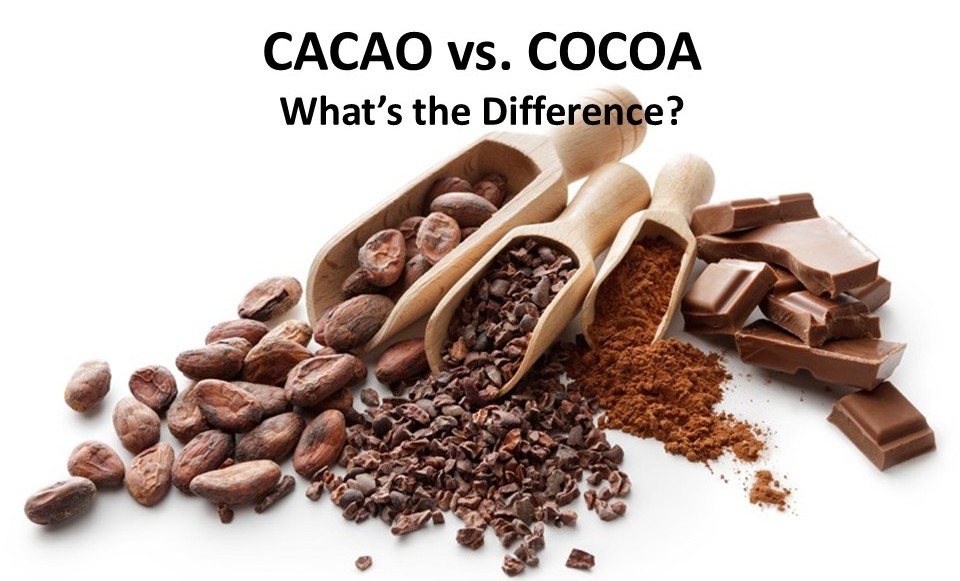
- Dark chocolate (Cacao 70%+)
- Citrus peels/zest
- Turmeric
- Bitter melon (wild bitter gourd)
📊 Research: Bitter foods have been shown to enhance GLP-1 release and improve insulin sensitivity.
-
Support Your Gut with Fermented Foods
A healthy gut microbiome plays a direct role in GLP-1 production.
Probiotic-rich foods:
- Kimchi
- Kefir
- Sauerkraut
- Tempeh
- Miso
- Grass-fed A2 yogurt (goat or cow)
📊 Fact: Individuals with diverse gut bacteria produce significantly higher levels of short-chain fatty acids, which stimulate GLP-1 secretion.
-
Eat Chromium-Rich Foods
Chromium is a trace mineral that improves insulin sensitivity and supports blood sugar balance—indirectly enhancing GLP-1 effectiveness.
Top sources:
- Broccoli and green beans
- Onions and garlic
- Apples and citrus fruits
- Grass-fed beef and turkey
- Egg yolks
- Brazil nuts (also support thyroid health)
📊 Statistic: Chromium supplementation has been shown to reduce fasting blood sugar levels by up to 20% in some populations.
-
Use Herbs That Boost GLP-1
Certain herbs and natural compounds have been shown to enhance GLP-1 secretion or mimic its effects.
Effective options:
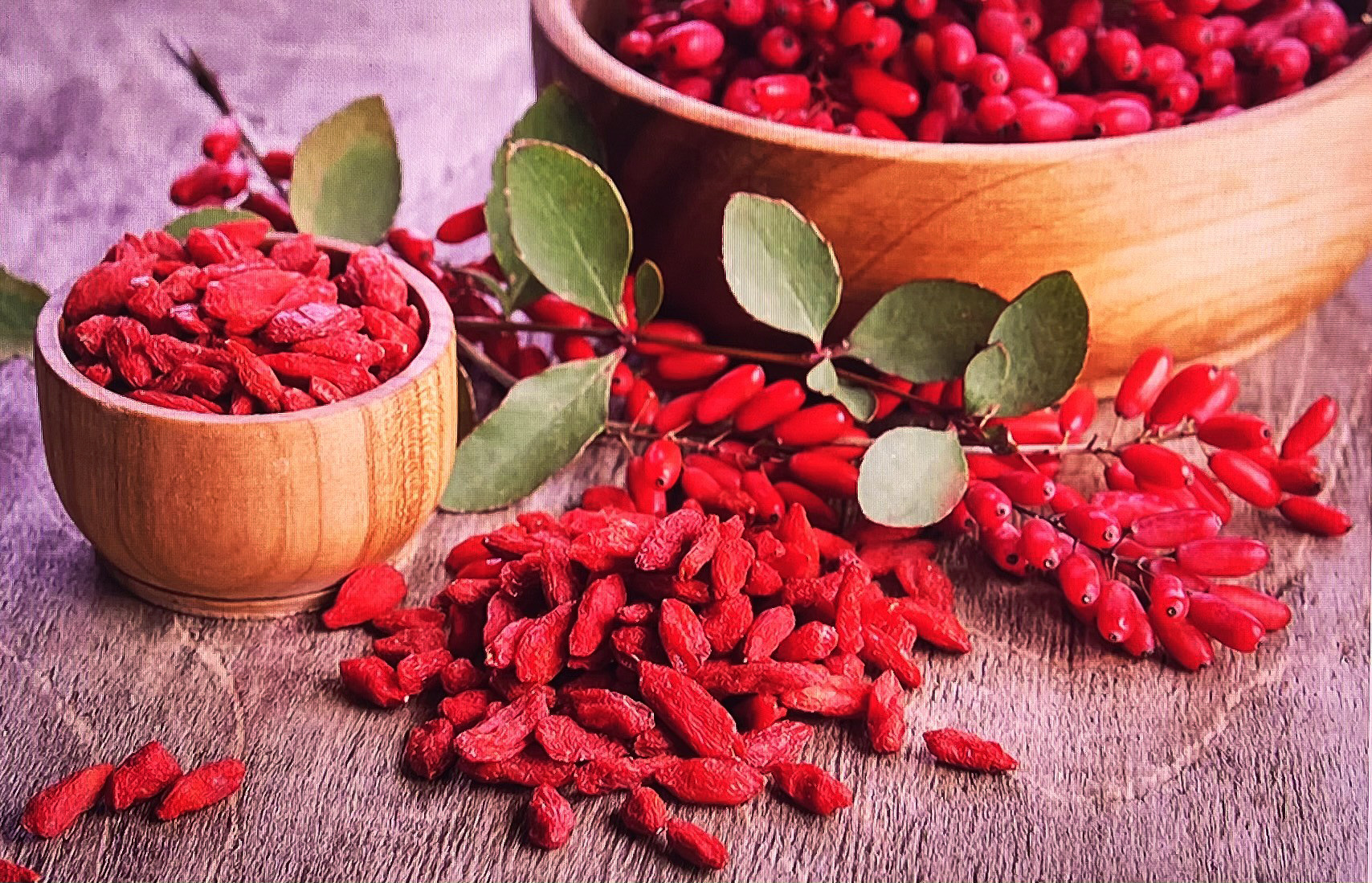
- Berberine
- Cinnamon
- Ginger
- Fenugreek
- Turmeric/curcumin
- Ginseng
- Yerba mate
- Green tea
📊 Research: Berberine has been shown to improve blood sugar control comparably to some medications in clinical studies.
Lifestyle Factors That Enhance GLP-1
Beyond food, your daily habits matter:
- Exercise: Increases GLP-1 sensitivity and insulin function
- Sleep: Quality sleep increases satiety hormones
- Stress management: Improves metabolic signaling and hormone balancing
Even a 15-minute walk after meals can improve blood sugar response and support GLP-1 activity.
How the Eating For Vitality Diet Program Helps
In the Eating For Vitality Diet program, we don’t just talk about these principles—we personalize them for you.
We help you:
- Build balanced meals with optimal protein, fiber, and fats
- Restore gut health for better hormone signaling
- Reduce cravings naturally
- Improve energy, mental clarity, and metabolic health
This is a sustainable, long-term approach—not a quick fix.
Frequently Asked Questions (FAQs)
-
Can I really increase GLP-1 without medication?
Yes. Research shows that diet composition—especially protein, fiber, and healthy fats—can significantly increase natural GLP-1 production.
-
How long does it take to see results?
Many people notice reduced hunger and improved energy within 1–2 weeks, with metabolic improvements over several weeks.
-
Is this approach as effective as semaglutide?
While medications may produce faster weight loss initially, natural approaches improve overall metabolic health, making results more sustainable long term.
-
Do I need supplements?
Not necessarily. Most benefits can come from whole foods, though certain herbs (like berberine or cinnamon) can provide additional support.
-
Will I lose weight with this approach?
Most people experience gradual, sustainable weight loss due to improved satiety and reduced cravings.
The Bottom Line
Your body already has the tools it needs to regulate hunger, balance blood sugar, and support weight loss—GLP-1 is a key part of that system.
By focusing on:
- Protein-rich meals
- High soluble fiber
- Healthy fats
- Bitter and fermented foods
- Key micronutrients and herbs
…you can naturally activate GLP-1 and take back control of your health—without relying on medications.
Ready to Take Control of Your Health Naturally?
If you’re tired of feeling stuck, overwhelmed, or dependent on quick fixes, it’s time for a smarter approach.
The Eating For Vitality Diet program is designed to help you:
- Naturally regulate appetite and cravings
- Restore metabolic balance
- Feel energized, clear-minded, and in control
- Balance blood sugar for body fat loss