Peanut butter and jelly sandwiches have been an American favorite since the 1920s. Thanks to the invention of sliced bread, this simple meal became a go-to option for families, especially during the Great Depression. But while peanut butter contains protein, vitamins, and minerals, the health risks of peanut butter may outweigh its benefits if consumed in large amounts.
The Downsides of Peanut Butter
1. Aflatoxins in Peanuts
Peanuts have one of the highest concentrations of aflatoxin, a mold toxin that develops when peanuts are stored in moist conditions. High exposure to aflatoxins may contribute to:
- Allergic reactions
- Digestive inflammation
- Autoimmune issues
- Liver damage
- Growth and development concerns
This makes choosing high-quality peanut butter brands especially important.
2. High Levels of Omega-6 Fats
Peanut butter is rich in omega-6 fatty acids. While our bodies need some omega-6 fats, most people already consume 5–10 times more than recommended, mainly from vegetable oils like soybean, corn, and canola.
Excess omega-6 intake may contribute to:
- Insulin resistance
- Heart disease
- Brain inflammation
- Higher cancer risk
Because peanut butter is often processed, these fats can become oxidized, making them even more harmful.
3. Oxalates in Peanuts
Peanut butter also contains medium levels of oxalates—plant compounds that can interfere with nutrient absorption. High oxalate intake has been linked to:
- Kidney stones
- Thyroid issues
- Joint and gut problems
Healthier Peanut Butter Options
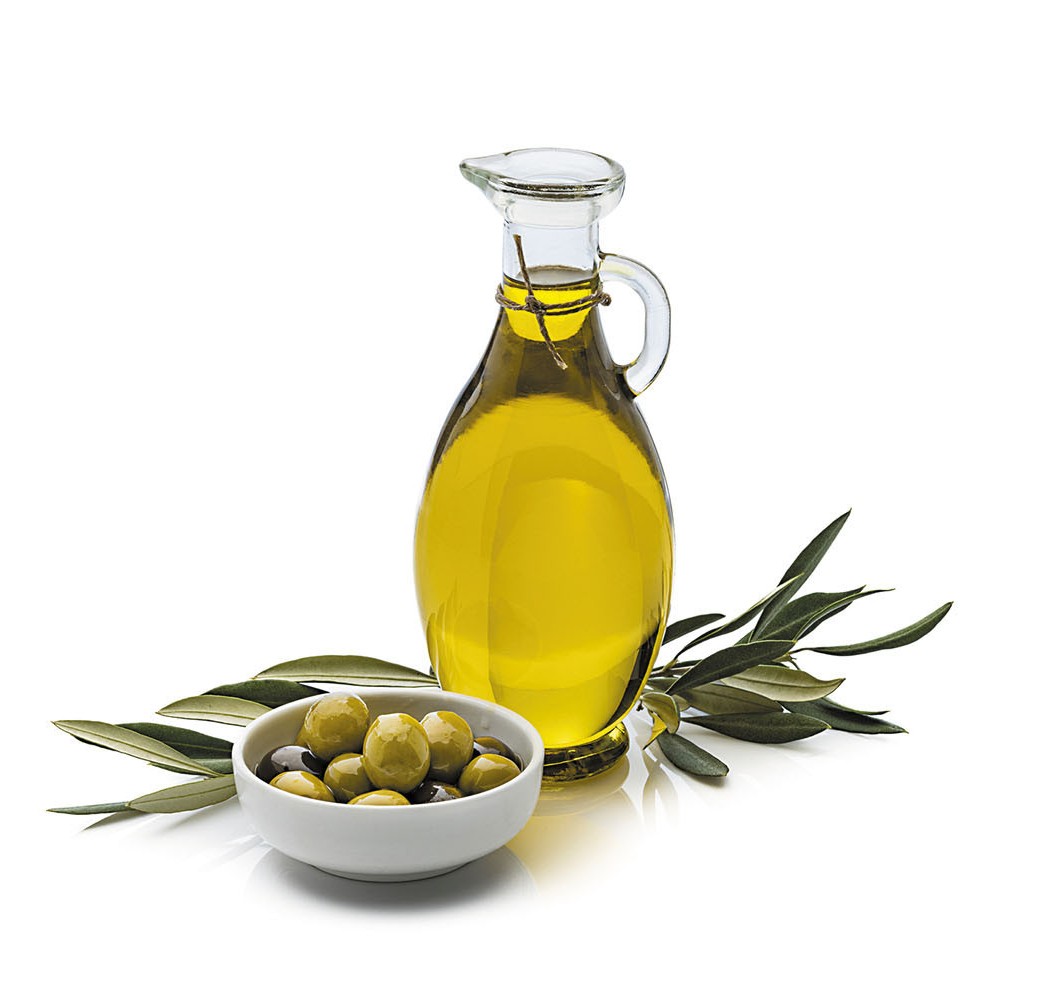
If you love peanut butter, you don’t have to give it up completely. Instead, choose organic peanut butter made with Valencia peanuts. These peanuts grow in dry climates, making them less susceptible to aflatoxin contamination. They also contain monounsaturated omega-9 fats, the same heart-healthy fat found in olive oil.
Recommended Brands:
- Trader Joe’s Organic Creamy Salted Valencia Peanut Butter
- Costco’s Kirkland Organic Creamy Peanut Butter (made with 100% U.S. Valencia peanuts), when available.
Premium Superfood Options:
For those looking for the cleanest, nutrient-dense peanut butters, consider:
- Vivapura Superfoods Organic Wild Jungle Raw Peanut Butter – 99.9% aflatoxin-free and rich in oleic acid (omega-9).
- Aloha Spreads Organic Raw Sprouted Valencia Peanut Butter with Coconut Butter – A blend that boosts healthy fats and digestibility.
Final Thoughts: Should You Eat Peanut Butter?
So, is peanut butter healthy? The answer depends on the type of peanut butter you choose and how often you eat it. Regular peanut butter is high in aflatoxins, omega-6 fats, and oxalates, which can negatively affect your health when consumed often.
While understanding if peanut butter is healthy for you or not, it’s always best to consult a healthy lifestyle coach for a more tailored approach.
However, choosing organic Valencia peanut butter in moderation can give you the taste you love while minimizing health risks. Pair it with organic sprouted whole-grain bread, fruit, or as part of a balanced snack for a healthier treat. If you have questions, don’t hesitate to get in touch today!