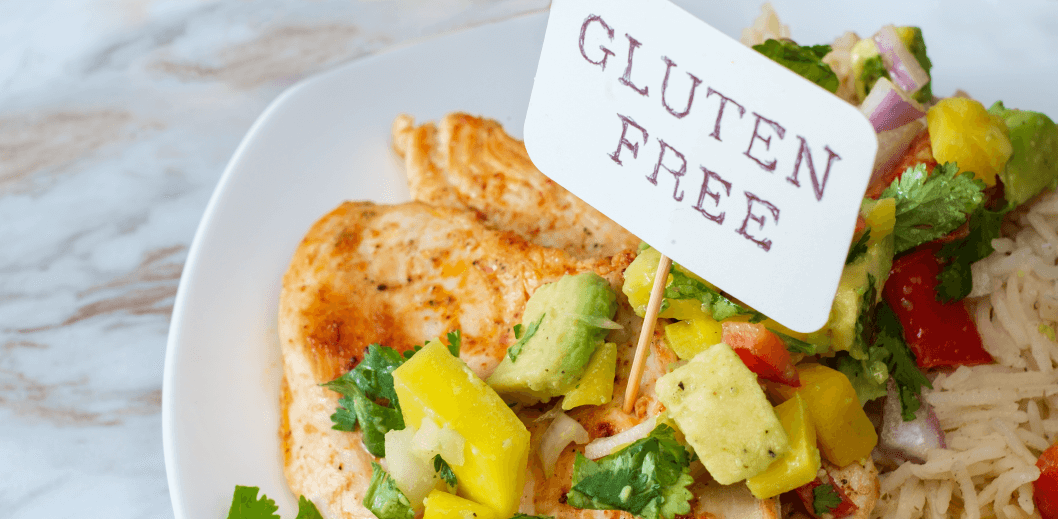
Gluten-free eating is no longer just for individuals with celiac disease. While celiac is a serious autoimmune condition triggered by gluten—found in wheat, barley, and rye—research shows that a gluten-free diet can benefit many people, including those with non-celiac gluten sensitivity.
When someone with celiac disease consumes gluten, their immune system attacks their own tissues, damaging the small intestine and impairing nutrient absorption. But even without celiac disease, gluten can still impact gut health, digestion, and overall inflammation.
How Gluten Affects Your Digestive System
At a seminar by Dr. Alessio Fasano, a leading gastroenterologist and gluten researcher, he explained an interesting fact:
“In your stomach, you have strong stomach acid. If you put your finger in it, it would dissolve to the bone in 20 minutes. We put gluten into stomach acid, and after 24 hours, it didn’t dissolve.”
Because gluten remains undigested, it can disrupt the balance of gut bacteria (dysbiosis) and trigger gut inflammation. Over time, this inflammation can damage the intestinal lining, increasing its permeability—a condition known as leaky gut syndrome.
When the gut barrier is compromised, larger particles such as food proteins, bacteria, viruses, parasites, fungi, and toxins can enter the bloodstream, causing widespread inflammation.
The Link Between Gluten, Leaky Gut, and Inflammation
Chronic inflammation can affect nearly every system in the body, including:
- Brain health – contributing to brain fog and mood changes
- Cardiovascular health – increasing heart disease risk
- Joint function – worsening pain and stiffness
- Digestive system – causing bloating, discomfort, and irregularity
By eliminating gluten, you may reduce inflammation, support digestive repair, and improve your overall wellness.
Other Causes of Gut Inflammation
Gluten is not the only factor contributing to a leaky gut. Other lifestyle and dietary choices can also damage the intestinal barrier:
- Processed foods are high in sugar, artificial sweeteners, and additives
- Low-fiber diets lacking fruits, vegetables, and whole foods
- Excessive alcohol consumption
- Chronic stress
- Certain medications, including NSAIDs, antibiotics, and corticosteroids
Addressing these factors—along with reducing gluten—can maximize your gut-healing results.
Why Gluten-Free Doesn’t Always Mean Healthy
Many people start a gluten-free diet but still consume unhealthy, processed gluten-free products high in sugar, refined starches, and additives.
Important reminder:
Just because it’s gluten-free doesn’t mean it’s nutritious.
As I explain in my book and online program, Gluten-Free Vitality Diet: Just because you’re eating gluten-free…doesn’t mean you’re eating healthy!, true gluten-free living goes beyond removing gluten — it’s about choosing whole, nutrient-dense foods that nourish your body and help reduce inflammation.
A truly health-supportive gluten-free lifestyle focuses on whole foods like fresh fruits and vegetables, lean proteins, healthy fats, and gluten-free whole grains such as quinoa, buckwheat, and brown rice.
Taking the Next Step Toward Better Gut Health
If you’re ready to go gluten-free, improve your food choices, and reduce inflammation, professional guidance can help you succeed. Together, we can create a plan that works for your body, supports your digestive system, and boosts your overall well-being.
For a complete guide to eating gluten-free the right way, explore my online program, Gluten-Free Vitality Diet, and discover how to make healthy, satisfying choices that go beyond simply avoiding gluten. Got questions? Don’t hesitate to contact me!