Often dismissed as a stubborn backyard weed, dandelion (Taraxacum officinale) is actually one of the most nutrient-dense wild plants available to us. For centuries, it has been used in traditional medicine systems across Europe, Asia, and North America for digestion, liver support, and overall vitality.
Today, modern science is beginning to validate what traditional herbalists have known for generations: dandelion is a remarkably rich plant with wide-ranging nutritional and functional health benefits.
At the Eating for Vitality Diet Program, we incorporate evidence-based functional foods like dandelion to help support digestion, reduce inflammation, and optimize metabolic health as part of a sustainable wellness approach.
What Makes Dandelion So Nutrient-Rich?
Dandelion is unique because nearly every part of the plant—roots, leaves, stems, and flowers—is edible and beneficial.
According to nutritional analyses, dandelion contains:
- Vitamins A, C, E, K, and several B vitamins
- Minerals including calcium, iron, magnesium, potassium, and zinc
- Bioactive compounds such as flavonoids and polyphenols
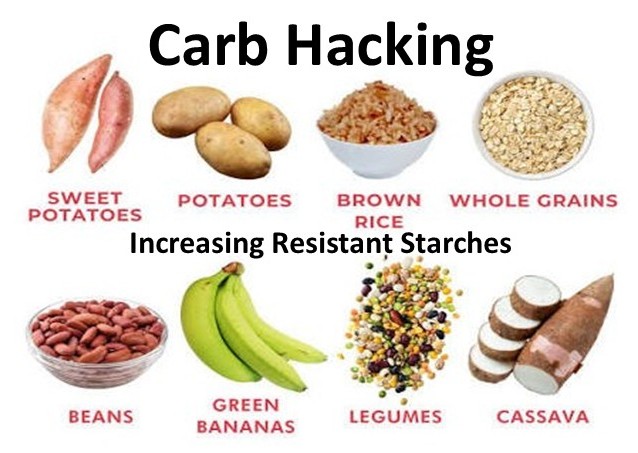
- Prebiotic fiber (inulin), especially in the root
In fact, research suggests dandelion greens may be among the most nutrient-dense leafy vegetables available, even rivaling spinach and kale in some categories.
A single cup of raw dandelion greens can provide a significant portion of daily vitamin K needs along with meaningful amounts of vitamin A and vitamin C—key nutrients for immune function and cellular repair.
-
Supports Healthy Digestion and Gut Microbiome
One of the most well-documented traditional uses of dandelion is digestive support.
Dandelion root contains inulin, a prebiotic fiber that feeds beneficial gut bacteria. A healthy gut microbiome is linked to improved:
- Digestion and regularity
- Immune system function
- Mood and metabolic regulation
Bitters in dandelion leaves may also stimulate bile production, helping the body break down fats more efficiently. This is one reason dandelion is often used in herbal digestive teas.
-
Rich in Antioxidants That Fight Oxidative Stress
Dandelion is packed with antioxidants such as beta-carotene, polyphenols, and flavonoids. These compounds help neutralize free radicals—unstable molecules that contribute to aging and chronic disease.
Oxidative stress is linked to conditions such as:
- Cardiovascular disease
- Type 2 diabetes
- Neurodegenerative decline
- Chronic inflammation
Studies show dandelion extracts can reduce markers of inflammation and oxidative stress in laboratory and animal models, suggesting protective cellular effects.
-
May Support Liver Function and Detoxification Pathways
The liver plays a central role in detoxification, hormone balance, and metabolic processing. Dandelion root has traditionally been used as a “liver tonic.”
Emerging research suggests dandelion may:
- Support bile flow
- Help reduce fat accumulation in the liver
- Protect liver cells from oxidative damage
While human clinical trials are still limited, animal studies show promising protective effects on liver tissue under stress conditions.
-
May Help Balance Blood Sugar and Metabolism
Certain compounds in dandelion, including chlorogenic acid and chicoric acid, are being studied for their effects on glucose metabolism.
Early research indicates they may:
- Improve insulin sensitivity
- Support healthier blood sugar regulation
- Reduce post-meal glucose spikes
These properties make dandelion a plant of interest in metabolic health research, particularly for insulin resistance and weight management support.
-
Natural Anti-Inflammatory Properties
Chronic inflammation is now recognized as a root driver of many modern diseases.
Dandelion contains bioactive compounds that may help reduce inflammatory signaling pathways in the body. This may contribute to:
- Joint comfort and mobility
- Cardiovascular protection
- Improved immune balance
While more human studies are needed, early findings are promising for its role in inflammation modulation.
-
May Support Heart Health
Dandelion may benefit cardiovascular health in multiple indirect ways:
- Potassium content may help support healthy blood pressure
- Antioxidants may reduce arterial oxidative damage
- Fiber content may support cholesterol balance
Some research suggests dandelion compounds may positively influence triglycerides and cholesterol levels, though human trials are still limited.
-
Potential Skin and Immune System Benefits
Traditional herbal medicine often uses dandelion extracts for skin conditions and immune support.
Emerging research suggests it may:
- Help protect skin cells from UV-related oxidative damage
- Support collagen production pathways
- Enhance immune response through antioxidant activity
While these findings are preliminary, they reinforce dandelion’s role as a protective botanical food.
How to Use Dandelion in Your Diet
Dandelion can be consumed in several forms:
- Fresh greens in salads (slightly bitter, similar to arugula)
- Sautéed leaves with olive oil and garlic
- Dandelion root tea (earthy, coffee-like flavor)
- Supplements or tinctures (use professional guidance)
For best results, many people incorporate small daily amounts rather than high-dose supplementation.
Safety Considerations
Dandelion is generally considered safe as a food, but there are a few considerations:
- May cause allergic reactions in sensitive individuals (especially those allergic to ragweed)
- Can interact with diuretics, blood thinners, or diabetes medications
- Supplements should be used cautiously and ideally with professional guidance
As with all botanicals, food-based use is typically safest and most sustainable.
Frequently Asked Questions (FAQ)
Is dandelion really healthy or just a folk remedy?
Dandelion is both a traditional remedy and a nutrient-rich food. Modern research confirms it contains antioxidants, vitamins, minerals, and prebiotic fiber that support overall health.
Can you eat dandelion every day?
Yes, as a food it is generally safe for most people in moderate amounts. However, supplementation should be approached more cautiously.
What part of the dandelion is most beneficial?
All parts are useful, but:
- Leaves = vitamins and minerals
- Root = prebiotic fiber and liver support compounds
- Flowers = antioxidants
Does dandelion help detox the body?
Dandelion supports natural detox pathways—especially liver and digestive function—but it does not “detox” the body in a medical or extreme sense.
Can dandelion help with weight loss?
Some animal studies suggest it may support metabolism and fat processing, but human evidence is limited. It should be seen as a supportive food, not a weight-loss solution.
Bringing Dandelion Into a Modern Healing Diet
Dandelion is a powerful reminder that some of the most beneficial foods are already growing around us. Its combination of nutrients, antioxidants, and digestive support compounds makes it a valuable addition to a whole-food, anti-inflammatory lifestyle.
In our Eating for Vitality Diet Program, we integrate foods like dandelion strategically to support:
- Digestive balance
- Blood sugar stability
- Reduced inflammation
- Long-term metabolic resilience
Ready to Support Your Health Naturally?
If you’re ready to move beyond restrictive diets and start building a way of eating that actually supports your energy, digestion, and long-term vitality, we can help you get there.
Join the Eating for Vitality Diet Program today and learn how to use functional foods like dandelion to transform your health from the inside out.
👉 Learn more about the Eating for Vitality Diet or schedule a Free 15-minute consultation.