In today’s world of ultra-processed foods, rising chronic disease, and confusing nutrition advice, many people are searching for a way of eating that supports long-term health. One approach that has gained significant attention is the Paleo diet—a nutrition philosophy based on the foods our ancestors ate for millions of years.
The Paleo diet focuses on whole, unprocessed foods and eliminates many modern dietary staples such as grains, dairy, legumes, refined sugar, and processed oils. The idea is simple: when we eat in a way that aligns more closely with human evolutionary biology, the body functions more efficiently.
During our work together in the Gluten-Free Vitality Diet program, we address these principles in depth and help people transition toward a lifestyle that supports gut health, balanced blood sugar, reduced inflammation, and sustainable weight management.
Let’s explore the science, history, and health benefits behind the Paleo approach.
What Is the Paleo Diet?
The Paleo diet is inspired by the eating habits of hunter-gatherer societies that existed before the agricultural revolution. For approximately 2.5 million years, humans survived on foods that could be hunted, fished, or gathered.
These foods included:
-
Grass-fed meats and pasture-raised poultry
-
Wild-caught fish and seafood
-
Fresh fruits and vegetables
-
Nuts and seeds
-
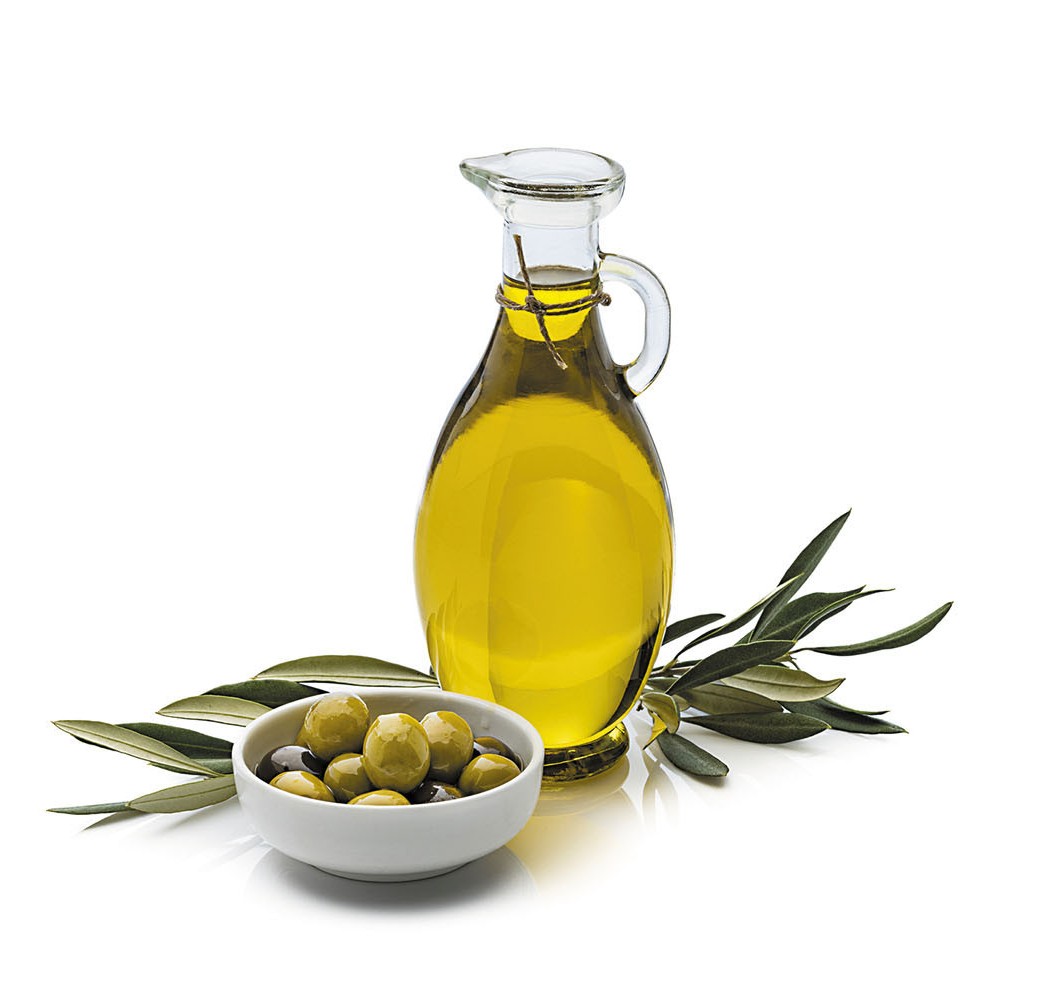
Natural fats such as olive oil and avocado
The Paleo diet eliminates foods introduced relatively recently in human history, such as:
-
Grains (wheat, corn, oats, rice)
-
Dairy products
-
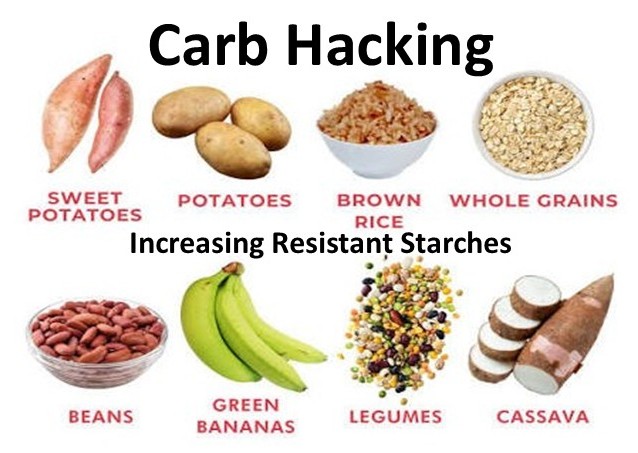
Legumes (beans, lentils, peanuts, soy)
-
Refined sugar and processed foods
-
Industrial seed oils
Supporters believe that our genetics are still largely adapted to the foods consumed by our ancient ancestors, and that modern dietary changes have contributed to many chronic diseases.
How Agriculture Changed the Human Diet
Around 10,000 years ago, humans transitioned from hunting and gathering to agriculture. This change allowed societies to grow grains such as wheat and barley and store food for long periods of time.
While agriculture helped populations expand, archaeological and anthropological research suggests that early farming societies experienced notable declines in health.
Studies examining skeletal remains from early agricultural communities have found evidence of:
-
Reduced height – early farmers were approximately 5–6 inches shorter than their hunter-gatherer predecessors
-
Smaller brain size – about an 11% reduction
-
Increased infant mortality rates
-
More dental cavities and enamel defects
-
Higher rates of infectious disease
-
Weaker bones and signs of malnutrition
Researchers believe these changes occurred because early agricultural diets relied heavily on a limited number of carbohydrate-rich crops, rather than the diverse nutrient sources available to hunter-gatherers.
The Problem With Modern Grains
Fast forward to today, and grains dominate many diets. Breakfast cereals, breads, pasta, crackers, pastries, and snack foods are common staples.
However, modern grains are very different from what humans might have consumed thousands of years ago.
Many grain-based foods are:
-
Highly refined
-
Low in nutrients
-
High in rapidly absorbed carbohydrates
-
Often combined with sugar, additives, and preservatives
According to research published in the American Journal of Clinical Nutrition, diets high in refined carbohydrates are strongly associated with:
-
Obesity
-
Insulin resistance
-
Type 2 diabetes
-
Cardiovascular disease
In addition, grains contain compounds known as anti-nutrients, which may interfere with digestion and nutrient absorption.
Dr. Loren Cordain, a leading researcher and author of The Paleo Diet, explains:
“Grains contain anti-nutrients like gliadin and glutenin that can contribute to intestinal permeability, inflammation, and elevated insulin levels.”
These factors are believed to contribute to a wide range of health conditions including:
-
Digestive disorders
-
Autoimmune diseases
-
Metabolic syndrome
-
Chronic inflammation
Glyphosate and Modern Grain Production
Another concern with modern grain consumption is exposure to glyphosate, one of the most widely used herbicides in agriculture.
Many grain crops are treated with glyphosate shortly before harvest to speed drying and increase yield.
The International Agency for Research on Cancer (IARC) has classified glyphosate as “probably carcinogenic to humans.”
Several studies have also linked glyphosate exposure to an increased risk of non-Hodgkin’s lymphoma.
While research is ongoing, many health-conscious individuals choose to reduce exposure by limiting grain consumption and focusing on whole, organic foods.
Why Paleo Excludes Dairy and Legumes
Dairy products are another food group excluded from the traditional Paleo diet.
Humans did not begin consuming milk until animals were domesticated during the Neolithic era, roughly 10,000 years ago.
Even today, about 65–70% of the global population has some degree of lactose intolerance.
Symptoms can include:
-
Bloating
-
Gas
-
Digestive discomfort
-
Skin issues
-
Fatigue
Beyond lactose intolerance, some people are sensitive to casein, a protein found in milk that may trigger inflammatory or immune reactions in certain individuals.
For people struggling with digestive issues, eliminating dairy can sometimes provide significant relief.
Why Legumes Are Avoided
Legumes—including beans, lentils, peanuts, and soy—are excluded from the Paleo diet primarily because they contain compounds called lectins and phytic acid.
These substances can act as anti-nutrients by:
-
Interfering with mineral absorption
-
Irritating the digestive tract
-
Contributing to gut inflammation
Lectins in particular have been studied for their potential role in intestinal permeability, commonly referred to as “leaky gut.”
Leaky gut has been linked to several autoimmune conditions, including:
-
Rheumatoid arthritis
-
Celiac disease
-
Multiple sclerosis
-
Hashimoto’s thyroiditis
While many people tolerate legumes well, others experience digestive symptoms or inflammatory responses.
Core Principles of the Paleo Diet
At its heart, the Paleo lifestyle focuses on nutrient density and food quality.
Foods Emphasized
-
Grass-fed meats and pasture-raised poultry
-
Wild-caught fish and seafood
-
Organic fruits and vegetables
-
Nuts and seeds
-
Healthy fats (olive oil, coconut oil, avocado)
Foods Eliminated
-
Grains
-
Dairy products
-
Legumes
-
Refined sugars
-
Processed foods
-
Industrial seed oils
By focusing on whole foods and removing inflammatory ingredients, the Paleo diet supports many key aspects of health.
Health Benefits of Going Paleo
1. Improved Gut Health
Many people notice improved digestion after eliminating grains and processed foods.
Research shows that removing gluten and certain anti-nutrients may help reduce intestinal inflammation and support a healthier gut microbiome.
Since the gut plays a critical role in immunity and nutrient absorption, improving digestive health can have widespread benefits.
2. Reduced Inflammation
Chronic inflammation is a major driver of modern disease.
It has been linked to:
-
Heart disease
-
Diabetes
-
Alzheimer’s disease
-
Arthritis
-
Autoimmune disorders
The Paleo diet emphasizes anti-inflammatory foods, including vegetables, omega-3 rich fish, and natural fats while eliminating processed foods that promote inflammation.
3. Better Blood Sugar Control
A diet high in refined carbohydrates causes rapid spikes in blood sugar and insulin levels.
Over time, this can lead to insulin resistance, a precursor to type 2 diabetes.
Studies have shown that Paleo-style diets can significantly improve:
-
Blood glucose levels
-
Insulin sensitivity
-
Metabolic health
One clinical study published in Cardiovascular Diabetology found that participants following a Paleo diet experienced greater improvements in blood sugar control compared to a Mediterranean-style diet.
4. Natural Weight Loss
Many people experience weight loss when switching to Paleo eating.
This happens because:
-
Protein intake increases
-
Processed carbohydrates are reduced
-
Blood sugar levels stabilize
-
Hunger hormones become more balanced
A study published in the European Journal of Clinical Nutrition found that participants following a Paleo diet lost an average of 8 pounds in just three weeks without calorie restriction.
5. Reduced Risk of Chronic Disease
Modern chronic diseases—including obesity, diabetes, and cardiovascular disease—are strongly linked to dietary patterns.
Because the Paleo diet emphasizes whole foods, healthy fats, and lean proteins, it may help reduce risk factors associated with:
-
Heart disease
-
Type 2 diabetes
-
Metabolic syndrome
-
Inflammatory disorders
Frequently Asked Questions About the Paleo Diet
Is the Paleo diet the same as gluten-free?
Not exactly. A gluten-free diet eliminates wheat, barley, and rye, but still allows gluten-free grains like rice and corn.
The Paleo diet goes further by removing all grains, along with dairy and legumes.
Can you lose weight on the Paleo diet?
Yes. Many people naturally lose weight because the diet reduces refined carbohydrates and processed foods while increasing protein and fiber-rich vegetables.
This helps control hunger and stabilize blood sugar.
Is Paleo safe long-term?
For most people, a Paleo-style diet centered on whole foods can be a healthy and sustainable approach to eating.
The key is maintaining variety and balance, ensuring adequate intake of vegetables, fruits, healthy fats, and quality protein.
Is Paleo difficult to follow?
Initially, transitioning away from grains and processed foods can feel challenging. However, many people find that once they begin cooking with whole foods, the diet becomes simple and enjoyable.
Can the Paleo diet improve digestive issues?
Many people report improvements in bloating, gas, and other digestive symptoms after eliminating gluten, dairy, and processed foods.
Because every person is unique, identifying personal triggers is important.
A Personalized Approach to Paleo Nutrition
While the Paleo framework offers many health benefits, nutrition is never one-size-fits-all.
Each person has unique needs based on:
-
Gut health
-
Metabolic health
-
Food sensitivities
-
Lifestyle factors
That’s why I help individuals personalize their approach during the Gluten-Free Vitality Diet program.
Together, we explore how removing inflammatory foods and incorporating nutrient-dense whole foods can help you:
-
Reduce inflammation
-
Improve digestion
-
Support healthy weight
-
Increase energy
-
Build long-term vitality
Take the Next Step Toward Better Health
Going Paleo isn’t about restriction or deprivation—it’s about returning to a way of eating that supports how the human body was designed to function.
By focusing on whole, nutrient-dense foods and eliminating highly processed ingredients, many people experience profound improvements in their health, energy, and well-being.
If you’re ready to explore a personalized Paleo-inspired lifestyle that supports gut health, reduces inflammation, and helps you feel your best, I invite you to learn more about my Gluten-Free Vitality Diet program.
Inside the program, you’ll discover:
-
How to transition to a Paleo-friendly lifestyle
-
Practical meal strategies and recipes
-
Guidance for a grain-free and dairy-free diet
-
Tools to support lasting health and vitality
Your journey to better health starts with the foods you eat—and the choices you make today can transform how you feel tomorrow.
Schedule a Free 15-minute consultation, and together, we’ll create a sustainable plan to reduce inflammation, create more energy, mental clarity, hormonal balance, and fat loss to help you feel your best! 💛