Many people reach for NSAIDs like ibuprofen or naproxen to relieve pain and inflammation — but what if that temporary relief comes with a hidden cost to your gut health?
While NSAIDs can help in the short term, they may silently disrupt your gut microbiome. Over time, this damage can increase inflammation, worsen pain, and contribute to chronic health problems.
The Gut Connection: How NSAIDs Disrupt Gut Health
Your gut microbiome houses trillions of bacteria that support digestion, immune function, metabolism, and inflammation control.
But NSAIDs can weaken the delicate intestinal barrier, triggering a condition commonly known as leaky gut. When this barrier becomes compromised, bacterial toxins (LPS) can seep into the bloodstream, driving systemic inflammation throughout the body.
Instead of reducing pain, this inflammation can worsen it, contributing to:
-
Joint stiffness
-
Muscle soreness
-
Chronic pain conditions like fibromyalgia
Why Acetaminophen Isn’t a Safer Alternative
Many assume acetaminophen (Tylenol) is gentler, but it comes with its own risks.
While it may reduce pain, it does not reduce inflammation — and in cases of overdose or existing gut inflammation, acetaminophen can become toxic.
Research shows acetaminophen:
-
Increases intestinal permeability
-
Can trigger liver inflammation
-
May lead to liver damage or liver failure in severe cases
The Hidden Health Risks of Frequent NSAID Use
Long-term or regular NSAID use is linked to:
-
Stomach pain, bloating, constipation, or diarrhea
-
Indigestion and GERD
-
Gastritis and ulcers
-
Gastrointestinal bleeding
-
Autoimmune conditions (IBD, celiac disease, MS)
-
Food allergies and intolerances
-
Liver and kidney damage
-
Insulin resistance and metabolic disorders
-
Obesity and weight gain
-
Heart attack and stroke
-
Nutrient deficiencies and anemia
-
Fatigue and low energy
-
Skin issues (eczema, acne, psoriasis)
-
Rheumatoid arthritis and chronic joint pain
-
Anxiety, depression, brain fog, and cognitive issues
-
Weakened immunity
-
Increased risk of certain cancers
True Healing Starts in the Gut
Lasting pain relief rarely comes from more medication — it begins with healing the gut. Up to 80% of your immune system resides in the gut-associated lymphoid tissue (GALT).
When you support your microbiome through nutrition, lifestyle changes, and targeted supplements, you can naturally:
-
Reduce inflammation
-
Improve digestion
-
Support immunity
-
Restore metabolic balance
-
Reduce chronic pain
Working with a professional healthy lifestyle coach can help you implement sustainable habits that restore gut health—from diet and sleep to stress management and daily movement.
How to Minimize Risk When Taking NSAIDs
If NSAIDs are necessary, protect your gut with these safety strategies:
-
Use the lowest effective dose for the shortest time possible
-
Never take NSAIDs on an empty stomach
-
Avoid alcohol
-
Quit smoking
-
Maintain a healthy weight
-
Exercise regularly
-
Get 7–9 hours of sleep
-
Manage stress with mindfulness, meditation, or breathwork
Avoid Inflammatory Foods That Damage the Gut
Eliminate foods that increase intestinal permeability and inflammation:
-
Wheat and gluten
-
Sugar, HFCS, and artificial sweeteners
-
Dairy, corn, and soy
-
Processed and fast foods
-
GMO/BE ingredients
-
Omega-6 oils (corn, soy, canola, cottonseed, sunflower, safflower, peanut)
Reduce Inflammation Naturally
Lasting relief comes from working with your body, not against it.
Eat Organic Anti-Inflammatory Foods Daily
Choose foods that heal the gut and fight inflammation:
-
Omega-3s: salmon, sardines, mackerel, chia, flax
-
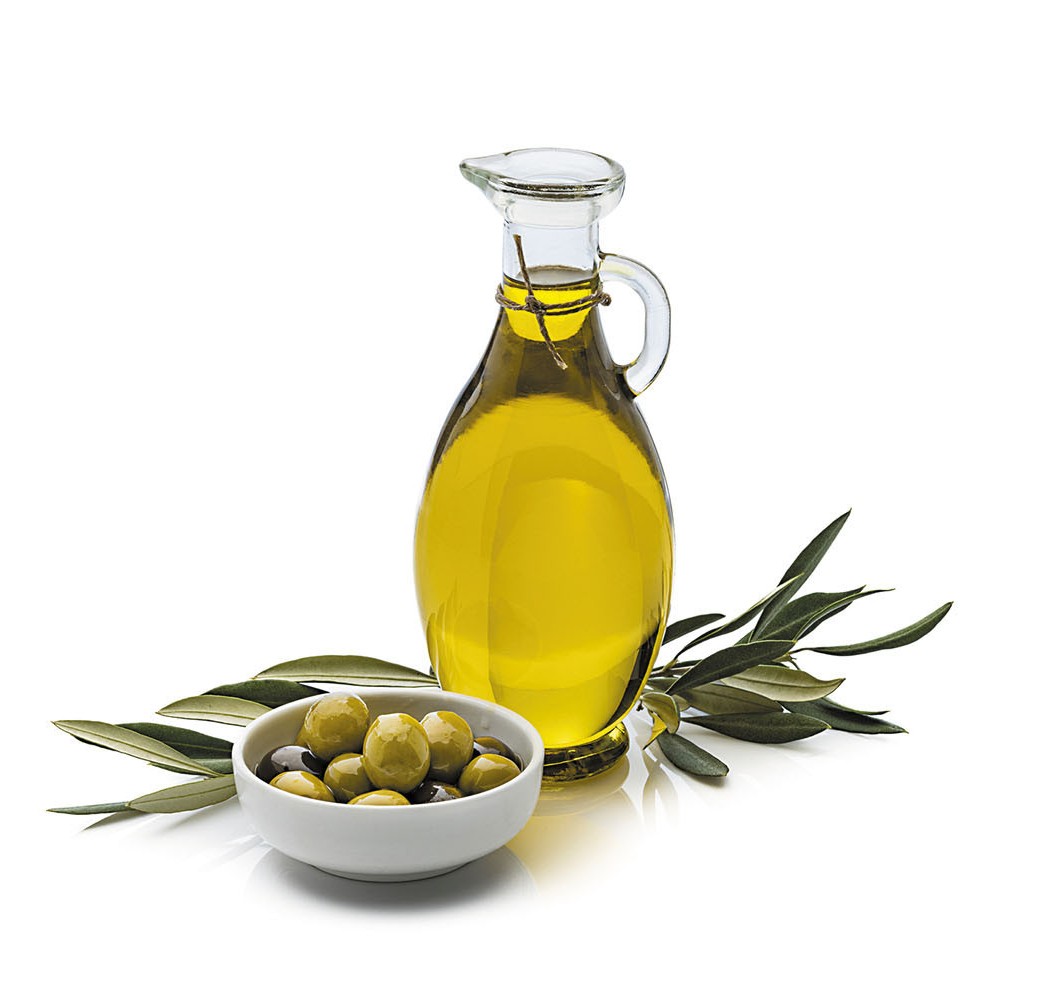
Healthy fats: olive, avocado, coconut oils
-
Organic proteins: grass-fed meat, pasture-raised poultry
-
Fiber-rich vegetables and fruits
-
Fermented foods: kimchi, kefir, sauerkraut, kombucha, miso, tempeh
-
Tart cherry juice for joint and muscle recovery
-
Matcha green tea for antioxidants and anti-inflammatory support
Apply Cold and Heat Therapy
-
Cold therapy: reduces swelling and inflammation
-
Heat therapy: relaxes stiff muscles and improves circulation
Add Anti-Inflammatory Supplements
Support gut health, immunity, and joint function with:
-
Omega-3 fish oils (EPA/DHA/DPA)
-
Turmeric/Curcumin + Ginger + Boswellia
-
Vitamin D3 + K2
-
Vitamin C and E
-
Digestive enzymes
-
L-Glutamine (gut repair)
-
Triple-biotics (pre-, pro-, and postbiotics)
-
Chondroitin + glucosamine
-
Magnesium
-
SAMe for joint pain
-
Quercetin
-
Bromelain
-
Resveratrol
The Takeaway: Heal from the Inside Out
NSAIDs may offer temporary pain relief, but they don’t solve the root cause. By supporting gut health and reducing inflammation naturally, you can:
-
Protect your microbiome
-
Strengthen your immune system
-
Improve digestion
-
Reduce chronic pain
-
Restore long-term health and vitality
Final Thoughts: Ready to Reduce Inflammation Naturally?
You don’t have to rely on medications that simply mask symptoms. The Eating For Vitality Diet Program gives you the tools to heal your gut, reduce inflammation, and reclaim your health from the inside out.
Take charge of your health today.
Let’s have a quick FREE 15-minute consultation to start your journey to pain relief and lasting vitality.
The information provided on this site is for informational and educational purposes only and is not intended as a substitute for advice from your physician or other health care professional. You should consult with a healthcare professional before starting or modifying any diet, exercise, or supplementation program, before taking or stopping any medication, or if you have or suspect you may have a health problem.