If you’ve committed to a gluten-free diet but still don’t feel better, you’re not alone. Many people continue to experience digestive issues, fatigue, and inflammation even after removing wheat, barley, and rye.
As a certified gluten-free practitioner and someone who lives with gluten sensitivity, I see this frustration all the time. Let’s explore why your gluten-free diet might not be working—and what you can do to finally get relief.
Common Mistakes People Make on a Gluten-Free Diet
While gluten-free products are more widely available than ever, many packaged foods labeled “gluten-free” are still highly processed. Breads, cereals, cookies, and snacks often contain refined starches, added sugars, and unhealthy fats.
Common issues with processed gluten-free foods include:
- Blood sugar spikes and crashes
- Ongoing digestive discomfort
- Weight gain and inflammation
- Mood swings, anxiety, or depression
It’s important to remember: just because a product is gluten-free doesn’t mean it’s a healthy gluten-free diet choice. If most of your meals come from boxes or bags, you may be trading one problem for another.
How Processed Gluten-Free Foods Sabotage Your Health
Many gluten-free substitutes are made with refined rice flour, potato starch, or corn flour. These ingredients can spike blood sugar and contribute to chronic inflammation, which increases your risk for weight gain, heart disease, and autoimmune flare-ups.
If you still have symptoms, take an honest look at your diet. Are processed foods sneaking in more than you realized? Building meals around whole, nutrient-dense ingredients can make a huge difference in how you feel.
The Problem with Cross-Reactive Grains
Another reason your gluten-free diet is not working could be cross-reactivity. Even if you’ve eliminated gluten, your immune system might still react to similar proteins in other grains.
What are cross-reactive foods?
Cross-reactive foods contain proteins that resemble gluten, tricking your immune system into thinking you’re still eating it. For many people, this can lead to:
- Ongoing bloating, cramping, or diarrhea
- Brain fog and fatigue
- Skin rashes or joint pain
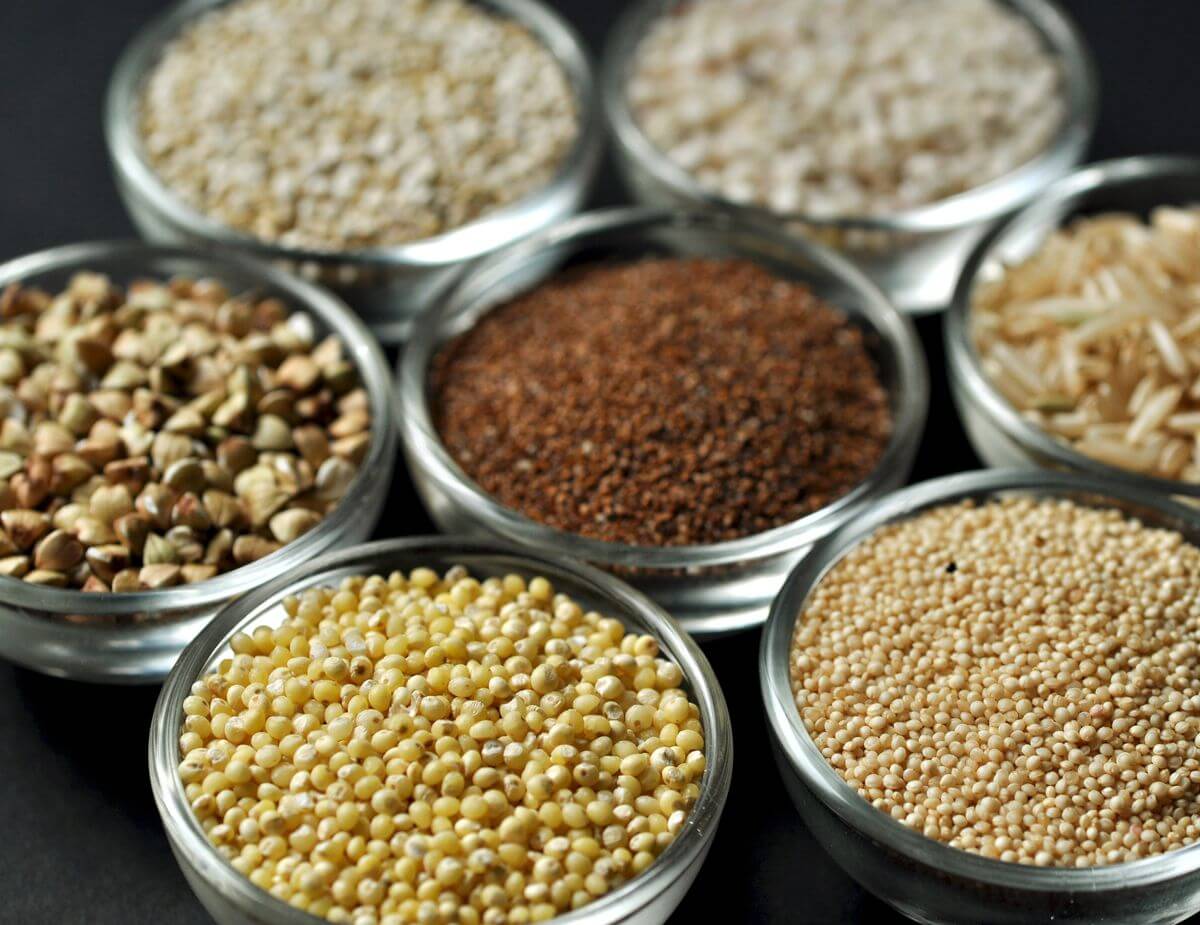
Research shows that up to 92% of people with celiac disease don’t fully improve on a standard gluten-free diet due to hidden gluten and cross-reactive grains like corn, oats, millet, and sorghum. And even dairy products, which contain proteins like casein and whey.
Personally, I struggled for years until I tested for cross-reactive foods. My results showed reactions to dairy products and most grains, except rice, and removing them finally allowed my body to heal.
How to Get Tested for Cross-Reactive Foods to Gluten
If you’re committed to feeling better, testing for cross-reactive foods to gluten is the most effective way to pinpoint what’s triggering your symptoms.
The Cyrex Labs Array 4 test is considered the gold standard for identifying immune reactions to gluten-associated cross-reactive foods. This panel measures antibodies against a wide range of grains, dairy proteins, and other potential culprits.
Your health practitioner can order the Cyrex Array 4 from Cyrex Labs, or you can order this test yourself directly through True Health Labs and schedule an appointment with their functional medicine practitioner to review your results. This step can help you avoid years of trial and error.
Simple Steps to Finally Feel Better
Ready to start feeling better? Here are a few steps to help you regain your energy and reduce inflammation:
- Limit Processed Foods
Focus on whole, organic foods, including fruits, vegetables, healthy fats, high-quality proteins, nuts, and seeds, until you identify your cross-reactive foods.
- Test for Cross-Reactive Foods
Identifying your unique sensitivities can be life-changing, helping you tailor your diet to your specific needs.
- Work with a Certified Gluten-Free Practitioner.
A knowledgeable professional can help you build a sustainable, healthy gluten-free diet that supports healing.
- Consider Professional Guidance
If you need step-by-step support, consider exploring programs like the Gluten-Free Vitality Diet. Resources like meal plans, recipes, and symptom trackers can make the process less overwhelming.
Remember: going gluten-free is a powerful first step—but it isn’t always the full answer. With the right tools, testing, and guidance, you can move beyond symptom management and reclaim your health.
If you’re ready to find out why your gluten-free diet is not working, consider scheduling a Free consultation to explore gluten sensitivity testing, cross-reactive foods, and a customized plan that works for you.