The Growing Issue With Dairy Consumption
Did you know that about 70% of the world’s population is lactose intolerant?
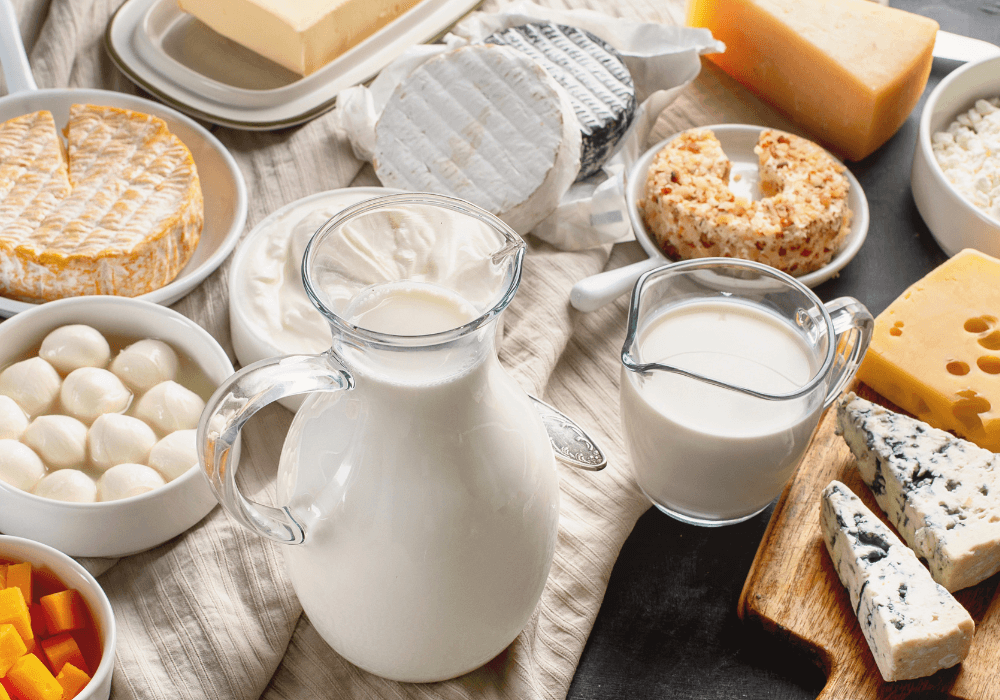
Dairy products contain 80% casein and 20% whey proteins, which can trigger digestive discomfort and other health issues for many people.
Lactose intolerance occurs when the body produces less lactase, the enzyme needed to digest lactose (milk sugar). This decline often starts between ages 2 and 12 and continues with age. Even if you produce lactase, your body may still struggle to process the casein and whey proteins found in dairy.
Who Is Most Affected by Lactose Intolerance?
Lactose intolerance impacts:
-
80% of African Americans, Native Americans, and people from India
-
90%+ of Asians
-
Around 50% of Hispanics
-
Many people of Arab, Jewish, Greek, and Italian descent
In contrast, about 70% of descendants of Northern European dairy farmers, such as Finns and Swedes, developed a genetic mutation that allows them to digest lactose — an adaptation that helped them survive food shortages.
Beyond Genetics: Other Causes of Dairy Intolerance
While genetics play a big role, other factors can also cause dairy intolerance, including gastrointestinal disorders.
The casein protein in dairy has a molecular structure similar to gluten. In fact, 50% of gluten-intolerant individuals also react to casein.
Dairy molecules can also trigger molecular mimicry, where they resemble human proteins and confuse the immune system into attacking the body’s own tissues. This can lead to:
-
Leaky gut
-
Autoimmune diseases
-
Chronic inflammation
The Health Risks Linked to Dairy Consumption
Research has linked dairy consumption to a wide range of health concerns, including:
-
Digestive issues: bloating, abdominal pain, diarrhea
-
Skin problems: acne, eczema
-
Respiratory issues: sinus infections, congestion
-
Joint pain and inflammation
-
Thyroid dysfunction
-
Impaired kidney function
-
Increased risk of prostate, breast, and colorectal cancers
-
Higher risk of type 1 and type 2 diabetes
-
Heart disease and multiple sclerosis
-
Bone fractures — Studies show countries with the highest dairy consumption also have the highest rates of osteoporosis
Better Sources of Calcium Without Dairy
You don’t need dairy to maintain strong bones. Nutrient-rich, calcium-packed dairy-free alternatives include:
-
Green leafy vegetables – kale, collards, turnip greens
-
Broccoli and root vegetables
-
Figs, almonds, and seeds
-
Sardines and wild-caught salmon
-
Non-GMO soybeans
Should You Cut Out Dairy Completely?
If you still want dairy, opt for raw, unpasteurized, and fermented dairy products from sheep or goats, as their milk is closer in composition to human milk and easier to digest.
However, for optimal health, a dairy-free diet can:
-
Improve digestion
-
Reduce inflammation
-
Support clearer skin
-
Lower the risk of chronic illnesses
Final Takeaway: Going dairy-free can have a powerful impact on your health — from better digestion to reduced risk of serious diseases. If you need help creating a personalized dairy-free nutrition plan, I can guide you toward healthy, satisfying, and nutrient-rich alternatives.
👉 Reach out for personalized support and expert guidance. Your digestion can heal — and you deserve to feel better.
Book your FREE 15-Minute Consultation and take the first step toward calmer digestion, renewed energy, and long-term vitality. Let’s start this journey together.